15 Days 14 Nights
Daily Tour
Unlimited
___
Embark on a remarkable 15-day journey through Saudi Arabia’s most iconic regions, tracing a captivating route from the eastern shores of Dammam to the desert oases of Al-Hofuf, the highlands of Hail and AlUla, the northern history of Tabuk and Sakaka, and down through the cultural south in Abha, Jazan</stronhttps://ark-touring.com/wp-admin/media-upload.php?post_id=14338&type=image&TB_iframe=1g>, and Najran.
This well-paced expedition blends heritage, landscapes, and living culture — taking you from bustling cities to UNESCO World Heritage sites, lush mountains, rock art plains, ancient mud villages, and the serene coasts of the Red Sea. It’s an immersive cultural discovery of the Kingdom’s rich past and dynamic present — ideal for explorers, photographers, and heritage lovers alike.




Arrive at King Fahd International Airport, where you’ll be welcomed and transferred to your hotel. Take time to settle in and rest after your journey. Overnight in Dammam.










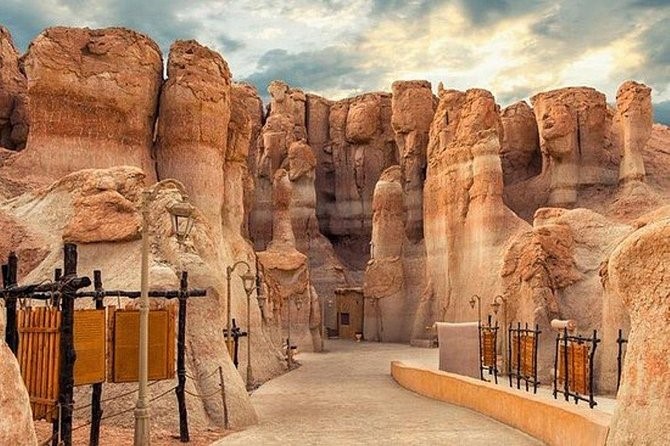
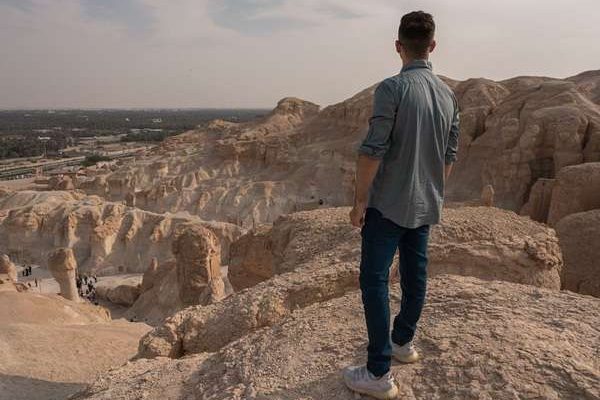
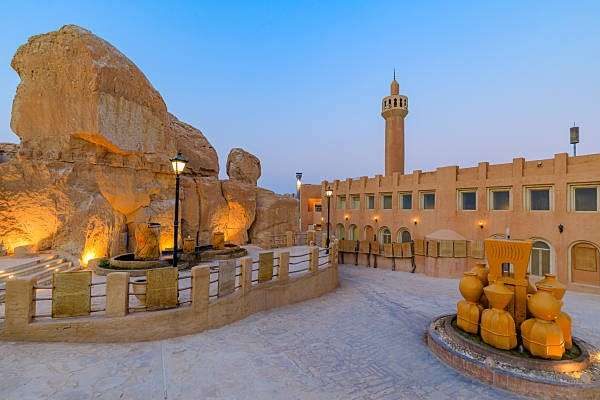
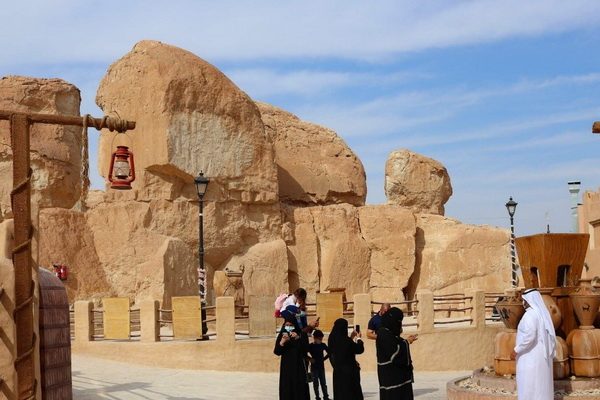
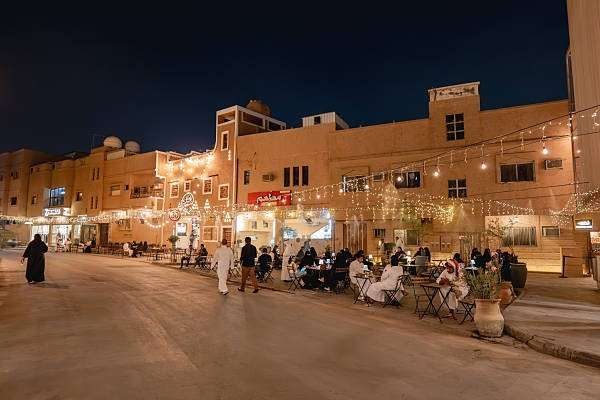
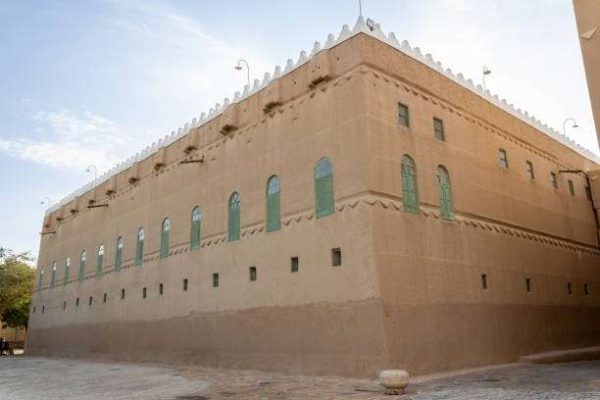
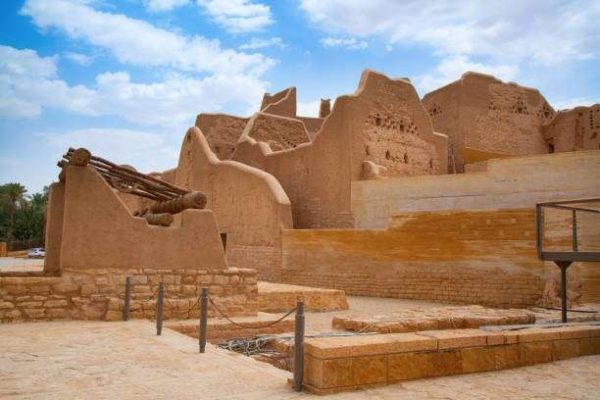
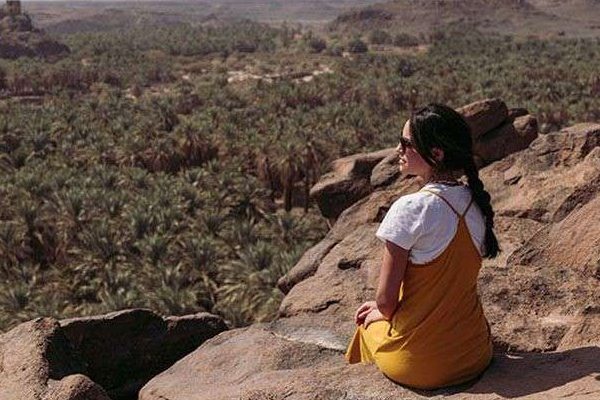
After breakfast we will start Dammam sightseeing before leaving the coast behind and head inland to Al-Ahsa, the largest palm oasis in the world and a UNESCO World Heritage Site. Discover the elegant Muhayris Palace, a palace located in Al-Mubarraz city, Al-Ahsa. The site was inscribed as a UNESCO World Heritage Site in 2018 as part of Al-Ahsa Oasis, then we visit Sahoud Palace, which stands as a striking symbol of the region’s resilience and architectural ingenuity. Built between 1790 and 1800, the palace was named after the large cannon, Sahoud, that once guarded its grounds. It is a fortress built on a high plateau located on the western side outside the old city of al-Mubarraz then stroll under the shade of endless palms in the oasis. Visit to Qasr Ibrahim, a castle built during Ottoman rule. It is located prominently in Al-Hofuf city, Souq Al-Qaisariya,it is one of the historical traditional markets, located in al-Rafa'a al-Shamaliya Neighborhood in al-Hufuf City. It was built in 1822 and houses approximately 422 shops, with its variety of handicrafts and products, the market consists of rows of shops situated in closed and covered passages. Our day ended by exploring the cool caves of Al Qarah Mountain, it is located twelve km away from al-Hufuf, with a base area of 1,400 ha and an elevation of about 150 ft. Its caves are known for their extreme coolness in the summer and warmth in the winter. Additionally, the mountain features uniquely shaped rocks. Overnight in Hofuf.







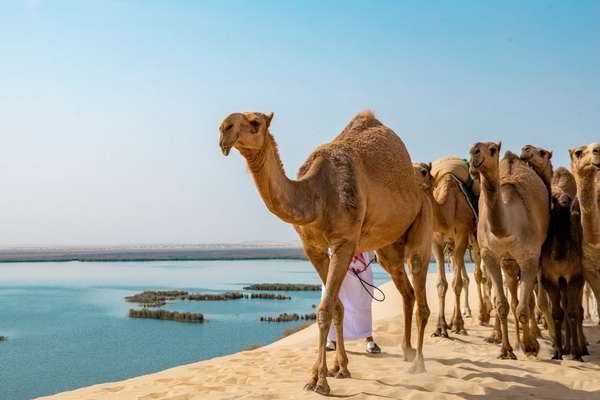
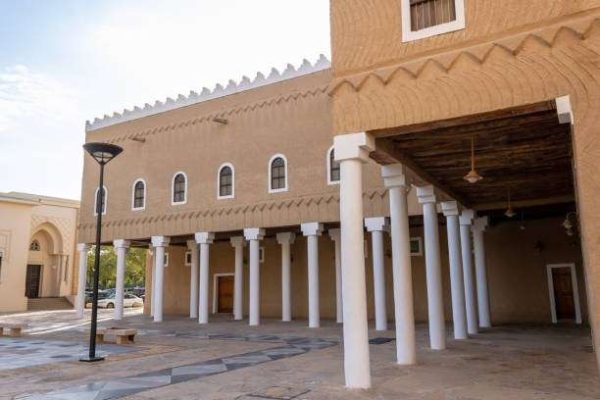
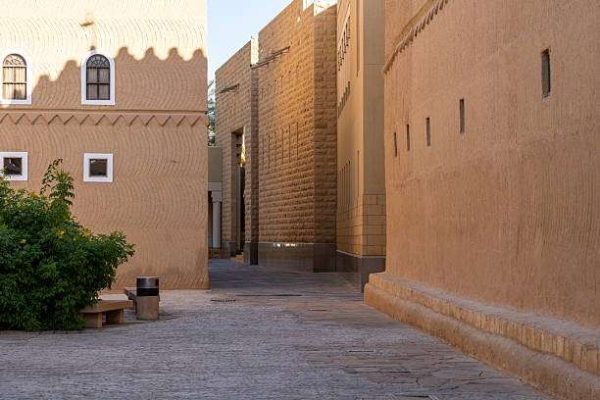
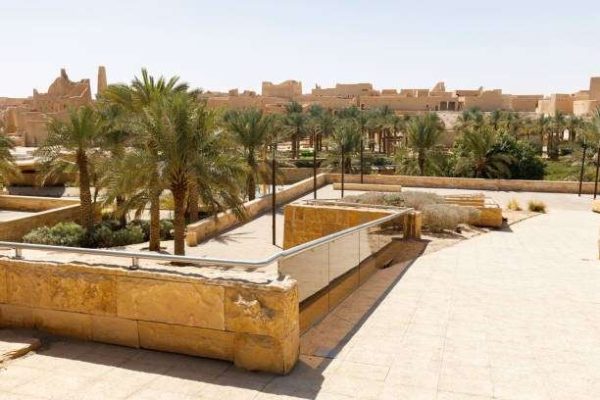
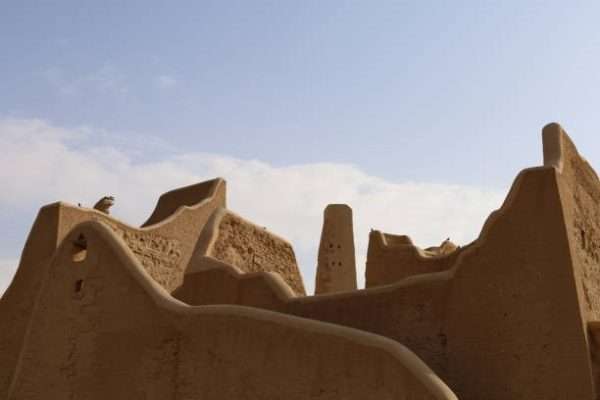
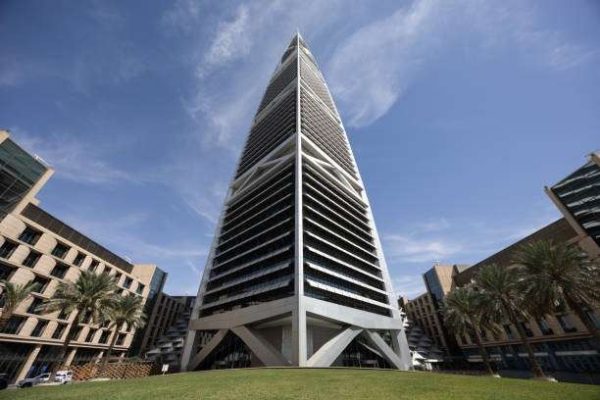
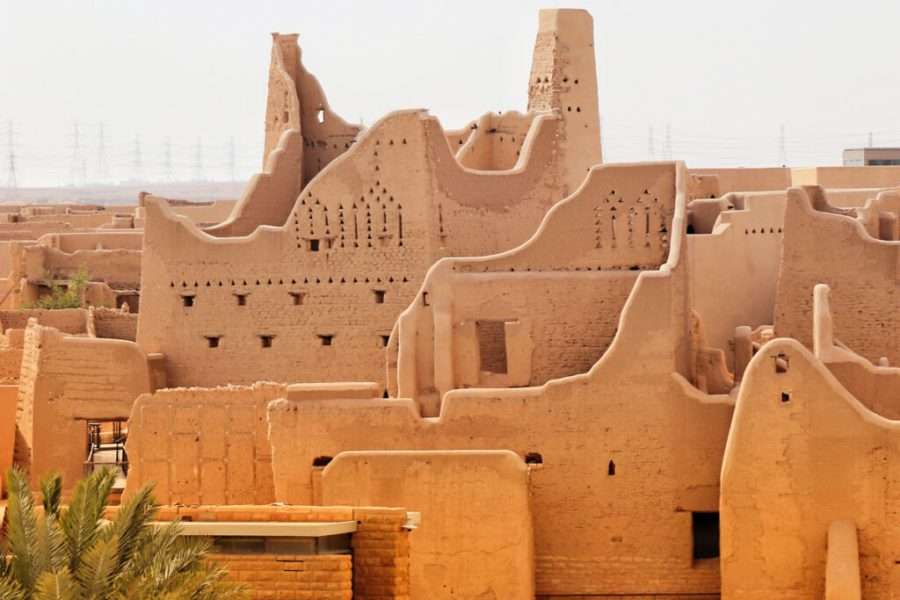
In the morning, explore the desert landscapes drive through sand duanes surrounding Hofuf, including the Yellow Lake. Al Asfar Lake is one of the largest bodies of water in the Arabian Gulf region, formed by the accumulation of heavy rainwater. The lake stretches about twenty-five km in length and is surrounded by desert plants and grasses, it looks like a view from a postcard, you can enjoy a peaceful retreat to this tourist spot and marvel at the beauty of nature. Early afternoon board the train (Hofuf Railway Station) to Riyadh At 01-41 PM . Upon arrival at 04:01 PM begin your discovery of the capital, stroll through Diriyah’s At-Turaif District, Diriyah is one of the largest mud cities in the world. The foundations and columns of all its structures were built of stones, while its walls and partitions were built of mud and tamarisk trunks and branches. It is also recorded in the UNESCO World Heritage List. and end with breathtaking views from the Kingdom Towers, A defining feature is the Sky bridge, offering stunning panoramic views of the city. Overnight in Riyadh.
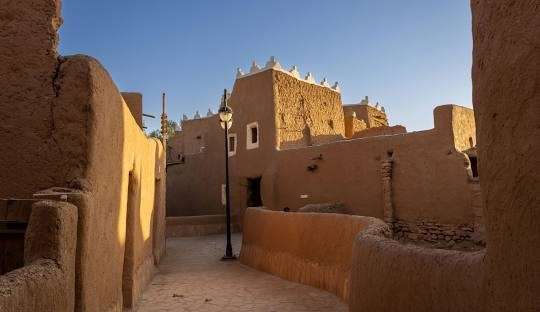










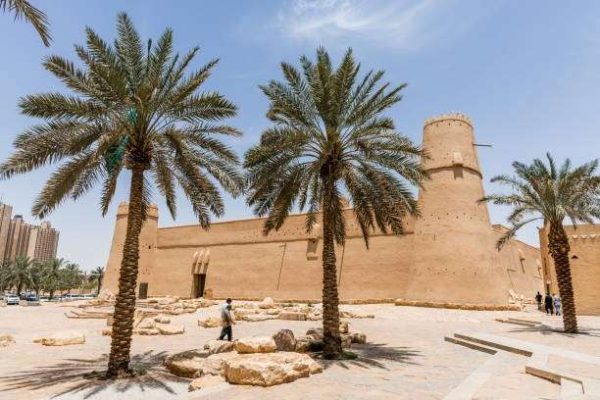
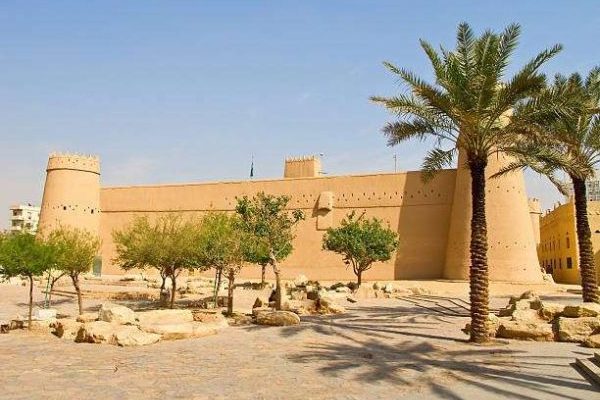
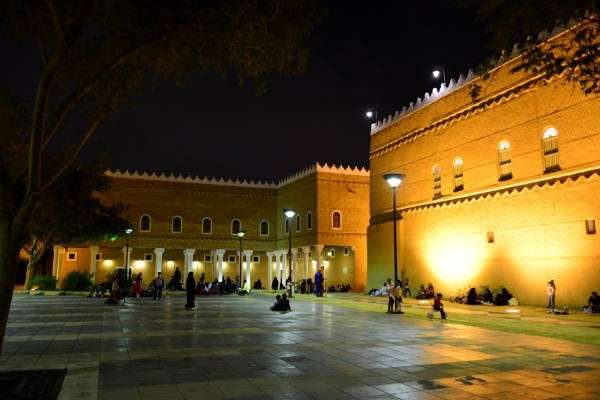
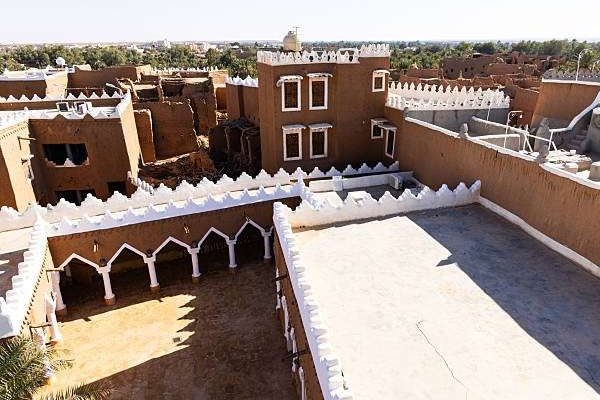
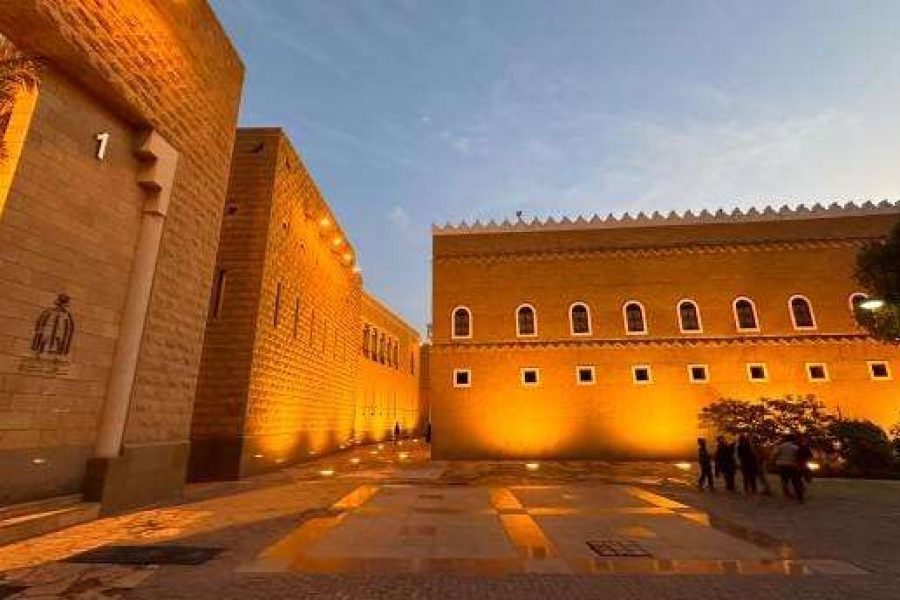
In the heart of Riyadh. Explore and wander Al-Dirah Neighborhood, and Shop at Souk Al-Zal, is one of Riyadh’s oldest markets, known for its variety of antiques, carpets, vintage items, and traditional goods. and Explore Al-Masmak Palace, is a national cultural landmark and a historical icon that defines the city of Riyadh, the National Museum. Next we will head to the elegant Al-Subaie Palace, is a historic palace located in Shaqra, a governorate in the Riyadh region. It was built in 1909 by Sheikh Abdullah Bin Mohammed Al-Subaie. The palace served as the residence of the Founding King Abdulaziz Bin Abdulrahman Al Saud during his travels from Riyadh to Hejaz. Continue to and step back in time at the Ushaiger Heritage Village, with its mud brick lanes and shaded courtyards. It is a must-visit for those who seek to immerse themselves in the authentic Arabian experience, you'll be delighted to witness the beautifully preserved traditional architecture. before reaching Buraydah for the night. Overnight in hotel.








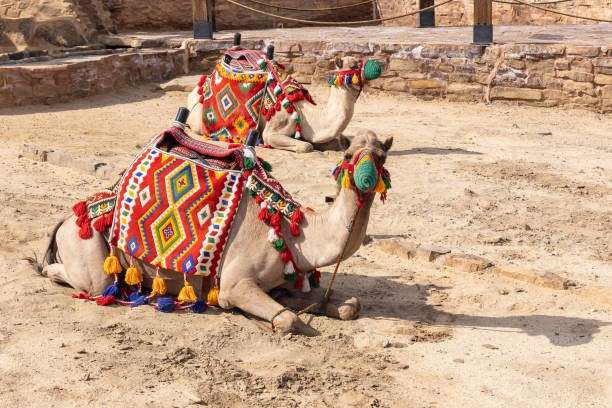
Experience central Arabia’s culture with a visit to the Qassim Camel Market, the largest camel market in the world. Every morning at 6 am thousands of dromedaries, as well as goats and sheep, are bought and sold here. Continue to the Buraydah Museum, the fascinating history of the city of Buraidah is on display in this museum, designed like a mini Najd fort. next we will drive to Al Midhnab Traditional Village, is a traditional village located in al-Midhnab Governorate in Qassim Province. Its establishment dates back to approximately seven hundred years. It has been restored to become one of the distinctive heritage sites in the region. Then continue to Maqsourat Al-Rajhi, is a stunning collection of mud houses located amid palm plantations in the southeastern part of Bukayriyah province. Built over 250 years ago by Sheikh Nasser Al-Rajhi, this historical site exemplifies the craftsmanship of Najdi architecture, and end our day visit by the Faid Historic City, the city is named the 'Capital of the Route,' as it served as a resting place for pilgrims to replenish their supplies. It functioned as an open market where many pilgrims gathered. Continue to Hail for overnight.









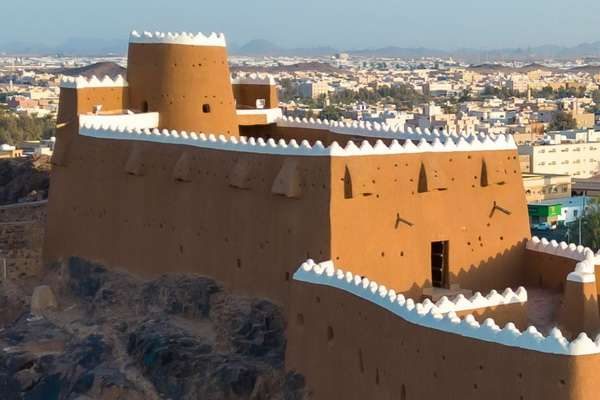
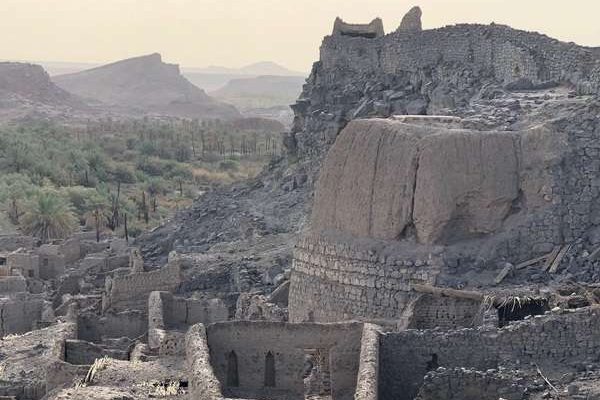
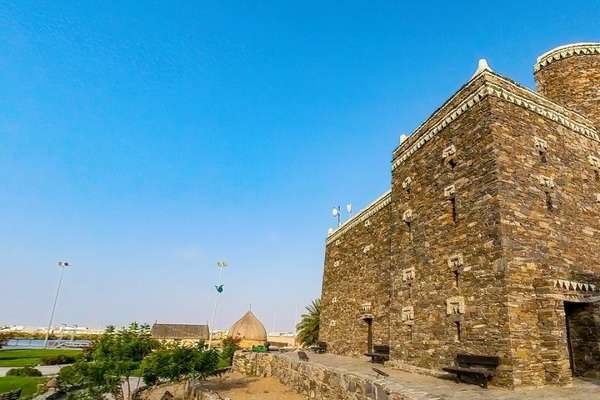
Explore Hail’s treasures the grand Qishlah Palace or Fortress is a historic heritage palace and a civilizational and cultural landmark, and also the A'arif Fort, is the oldest historical building in the city of Hail. During the Saudi rule, the Fort was used for the sighting of the moon and firing the Iftaar cannon in Ramadan. Visit Hail Regional Museum, whose identity is influenced by the Hail urban and heritage identity, is home to antiquities and its other historical items from the governorate. once a historic stronghold, visiting Fadk Historical village (Al-Ha'it) is located on a plateau covered with volcanic stones, which, when removed, reveal fertile agricultural soil underneath. Fadak is its ancient name and is currently called Al-Ha'it. In recent centuries, its name changed from Fadak to Al-Ha'it due to the wall that surrounds it on all sides. Returning to Hail for the evening. Overnight in Hail.
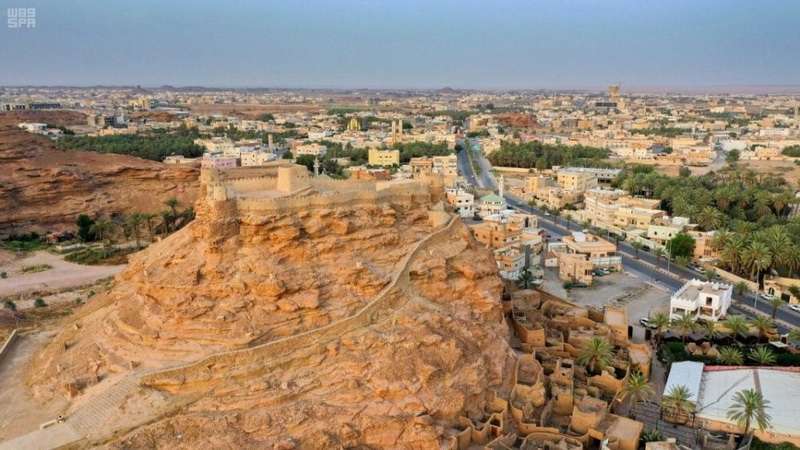






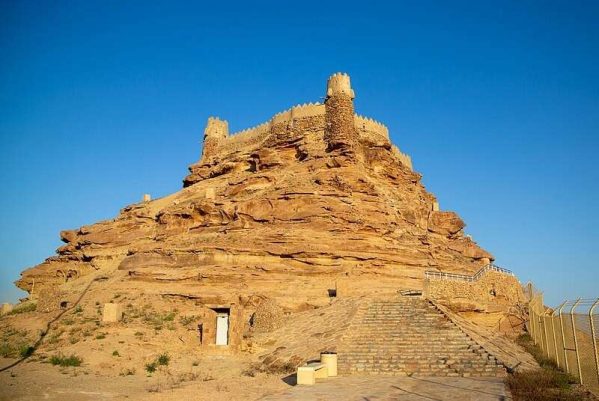
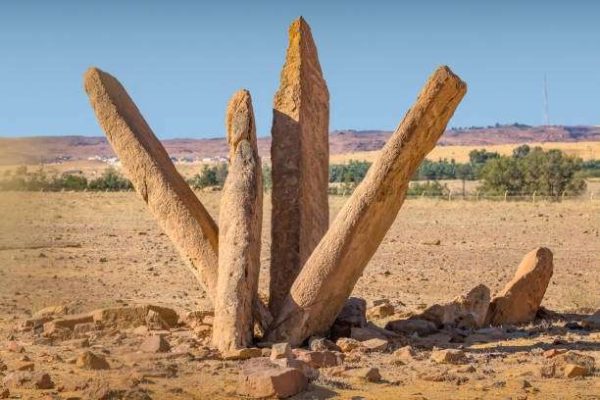
Head north to Jubbah, where millennia-old rock art at Umm Sinman (UNESCO) reveals Arabia’s ancient past. Jubbah is distinguished by several archaeological sites that showcase early styles of carving and engraving. The phenomenon of rock art has emerged throughout human history, being the oldest human artifacts, found on mountain outcrops, caves, or rocky surfaces. Continue to view the mysterious Rajajel Columns, is an archaeological site in al-Jawf Province, Kingdom of Saudi Arabia. It is located approximately ten km southeast of the city of Sakaka, the administrative capital of the province. Archaeological findings dating back to the Chalcolithic Age, around seven thousand years ago, were found at the site, then explore AlQadeer Palace, is one of the ancient palaces in Sakaka City in al-Jawf Province. It is situated on an elevated rocky slope at the western edge of Qara Center, Sisera Well, Then visit Sisra Well is located in the northern end of the city about 200 metres from Za’abal Castle and dates back to the Nabataean Period (First century BC until the end of the first century AD). Sisrah Well is considered as one of the most significant antiquities in the region. Then explore Za'abal Castle, sitting on top of a mountain in the northwest corner of Saudi Arabia is a mud and stone structure known as Za'abal Castle (or Zaabal Fort, Zaabal Palace). But it's more than just a fortress, it sits on top of a well system that has run throughout the city of Sakakah for centuries. Overnight in Sakaka.
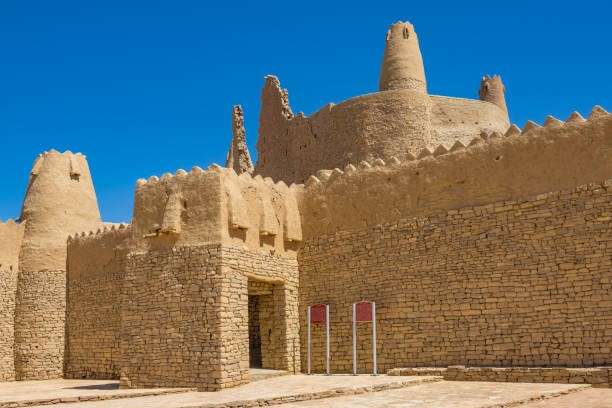






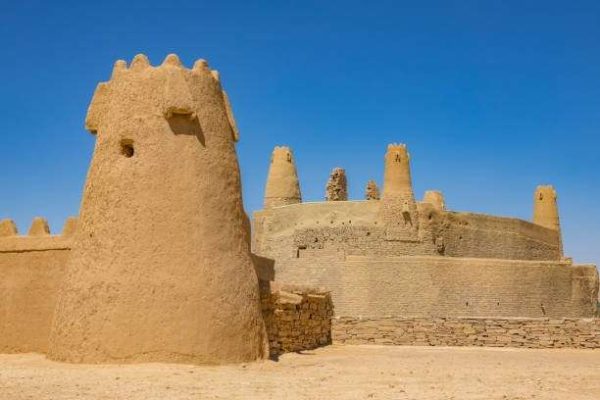
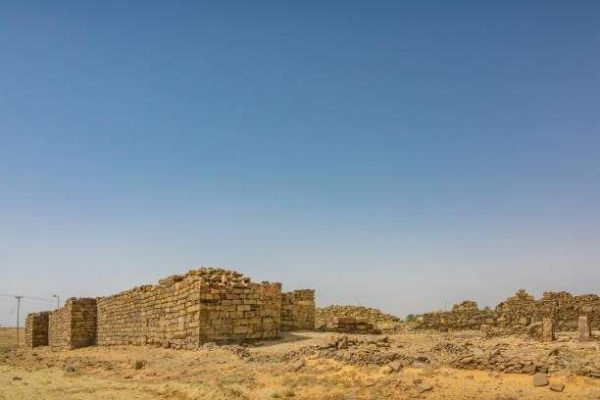
Early morning we head to Dumat AlJandal, situated in northwest, encapsulates a rich history dating back to the 10th century BC. Originally known as Adummatu in Akkadian, this ancient city served as the capital of an Arab kingdom, often associated with the historical Qedar. Discover Marid Castle, is a historic heritage castle, and a cultural landmark in Dawmat al-Jandal Governorate. It consists of numerous buildings, forts, bastions, and watchtowers dating back to the first and second centuries, making it one of the oldest archaeological sites in the Kingdom. Then visit Another significant landmark in the Oasis of Dawmat al-Jandal is Omar Bin al-Khattab Mosque in the south of al-Dara’ district. This mosque is one of the most important historic mosques in the Kingdom of Saudi Arabia, as it is a great model of the first mosques in Islam such as the Prophet's Mosque. Next we visit the Jouf Regional Museum, one of the most prominent cultural and historical landmarks in the Al-Jouf region. Its importance lies in being a living record that tells a heritage and history, also visit the Tranquil Lake, is located in the desert, as it was created by the flow of irrigation water that began in 1987. It is an artificial lake and considered as the largest lake in Arabian Peninsula, before reaching Tabuk, we visit the Hejaz Railway Station, was built almost a century ago to take Muslim pilgrims from Damascus to the holy cities of Makkah and Medina but ended in ruins less than two decades after its start, contine to overnight in Tabuk.
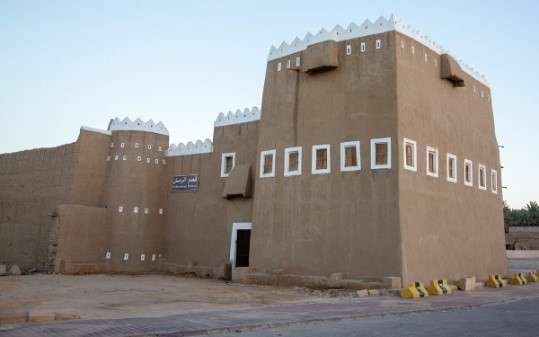








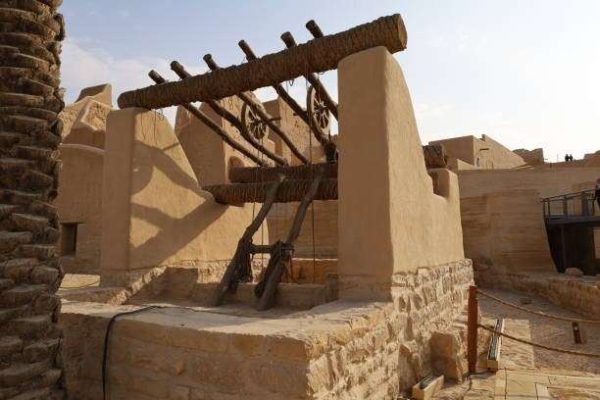
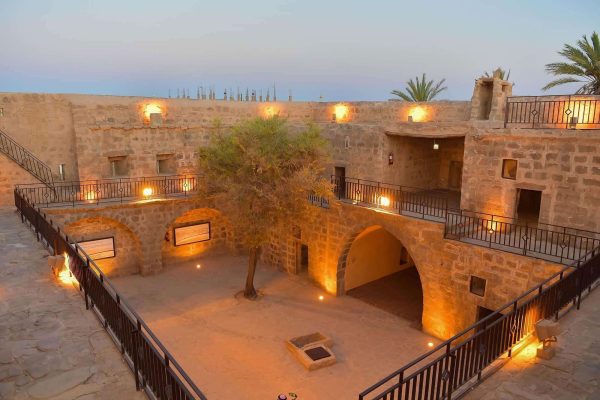
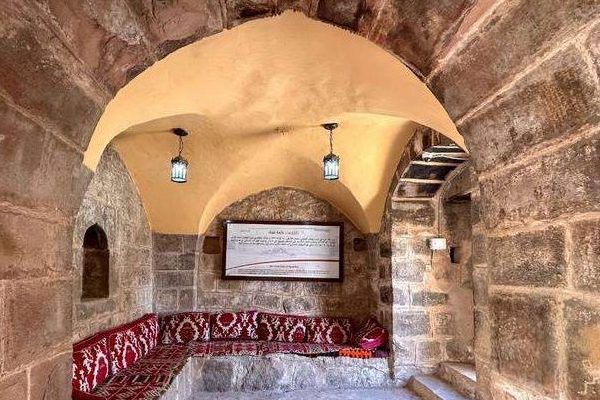
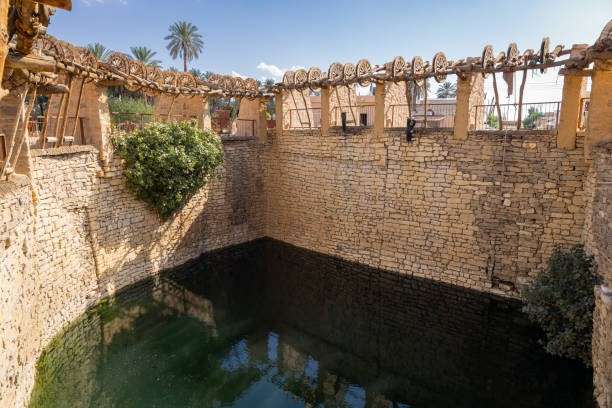
A day of archaeology and legends. Visit the Mud House Museum, a collection of facilities that contain items that date back to Tabuk's rich past can be found in Tabuk Attraction Mud House, or as it is commonly known, the Mud House Museum, which houses various archaeological details and is one of the most prominent tourist landmarks in Tabuk. Then we visit The Al Tawba Mosque is a mosque in Tabuk, that was also referred to as the Castle Mosque as it is located near the Tabuk Castle. Due to its link with the Battle of Tabuk, the mosque is considered a very important landmark in the Tabuk region. Before heading to Tayma, we will see Tabuk Archaeological Castle is a heritage castle located in Tabuk City, north of the Kingdom of Saudi Arabia. Historically, it was one of the stations on the Levant Hajj Route, which connected the Levant with Madinah. Then heading to Tayma where we explore Old Tayma, a city located on the western edge of the great sand dune desert, the Nafoud Al-Kebir. It lays in a natural depression where a lake formed when the climate of the Arabian Peninsula was more humid, then explore the Haddaj Well, One of the biggest Water Wells in The World, was built from polished stones and is surrounded by palm trees from all four sides. It includes thirty-one stone channels used to transport water from inside the well. Ibn Rumman Palace, Tayma Museum, and the twin castles of Al-Hamra and Al-Ablaq, visit Al-Hamra Palace in Tayma is a historical palace in Tayma, Tabuk Governorate, northwest of the Kingdom of Saudi Arabia. It was discovered in 1979, and contains some historical monuments, including a basket with an Aramaic text and a cubic stone with different scenes and symbols. It was built in the sixth century BC as a religious temple that includes a housing section. Overnight in Tayma.
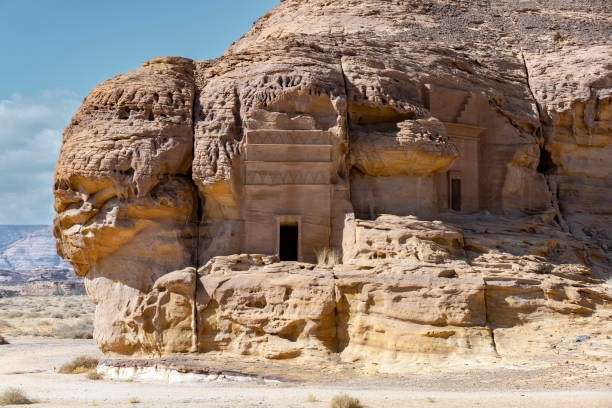






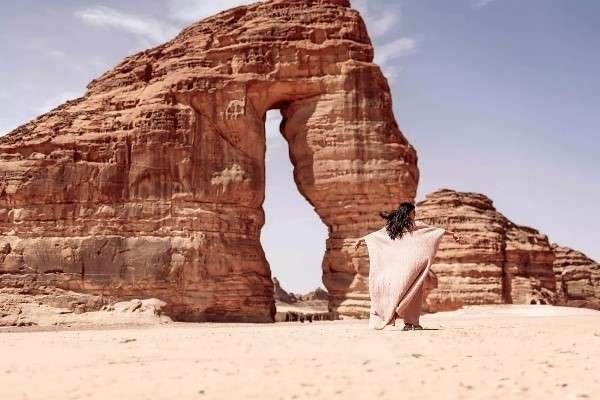
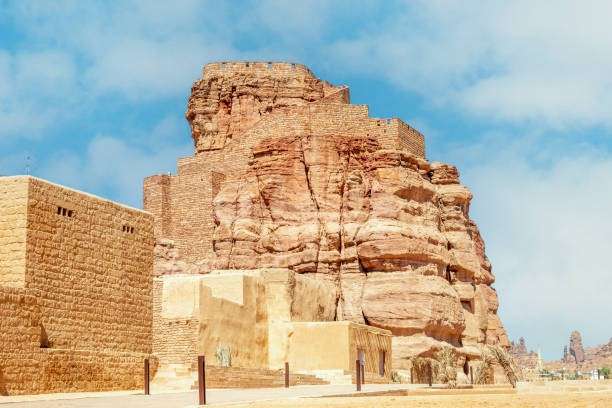
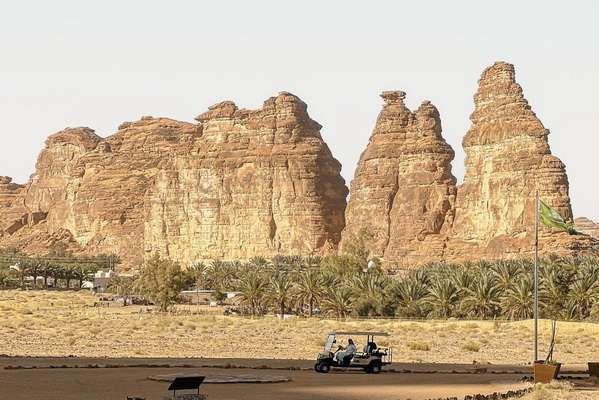
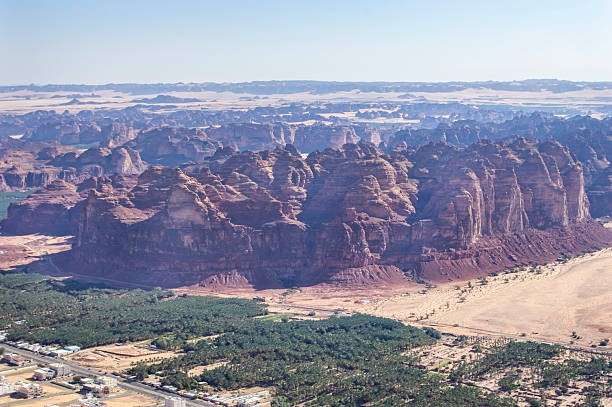
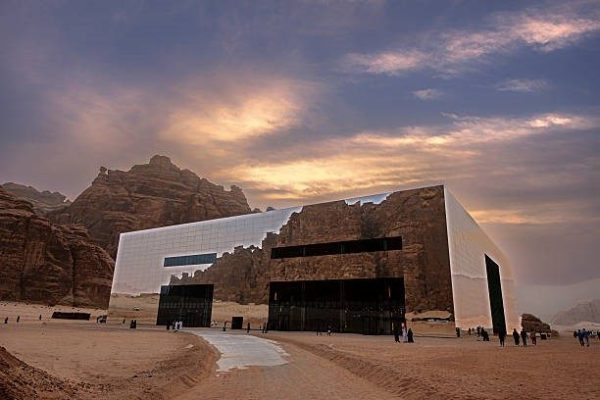
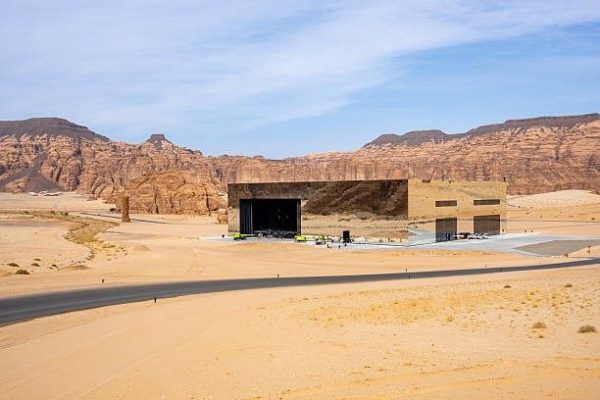
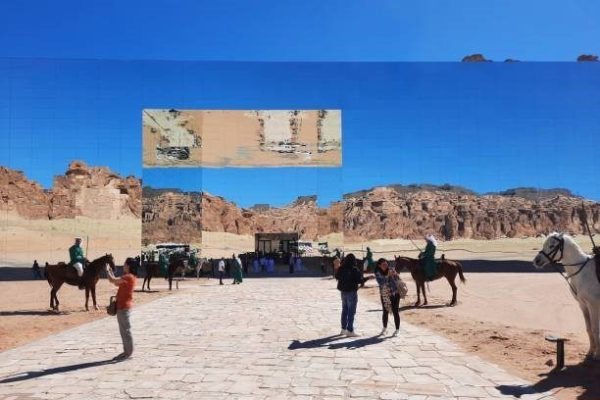
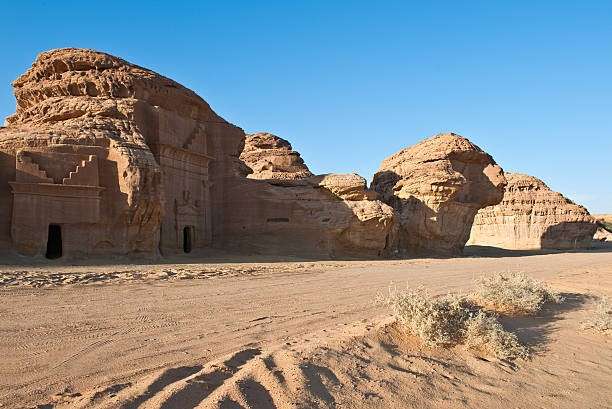
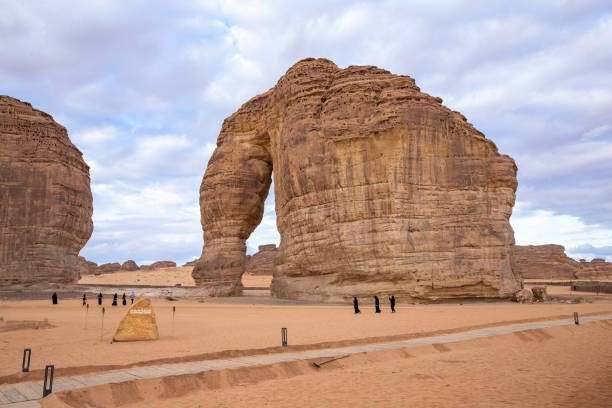
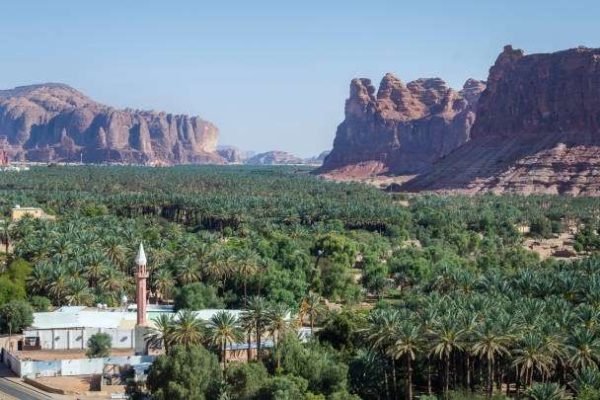
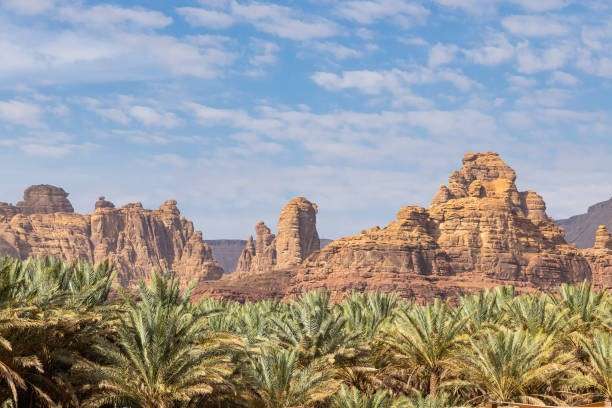
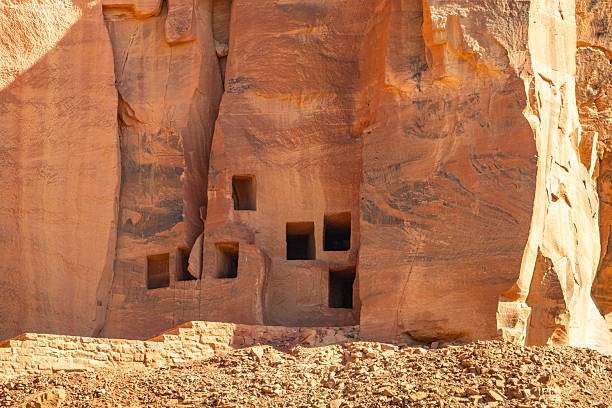
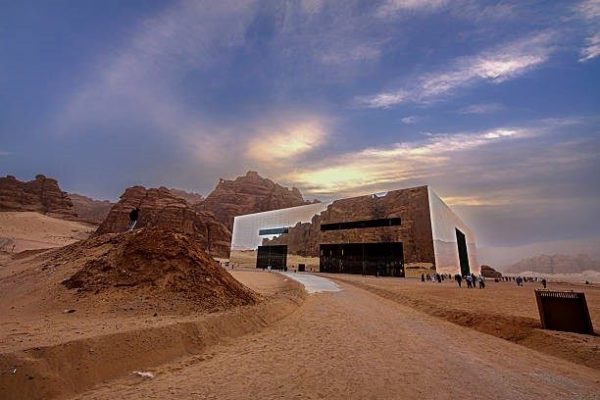
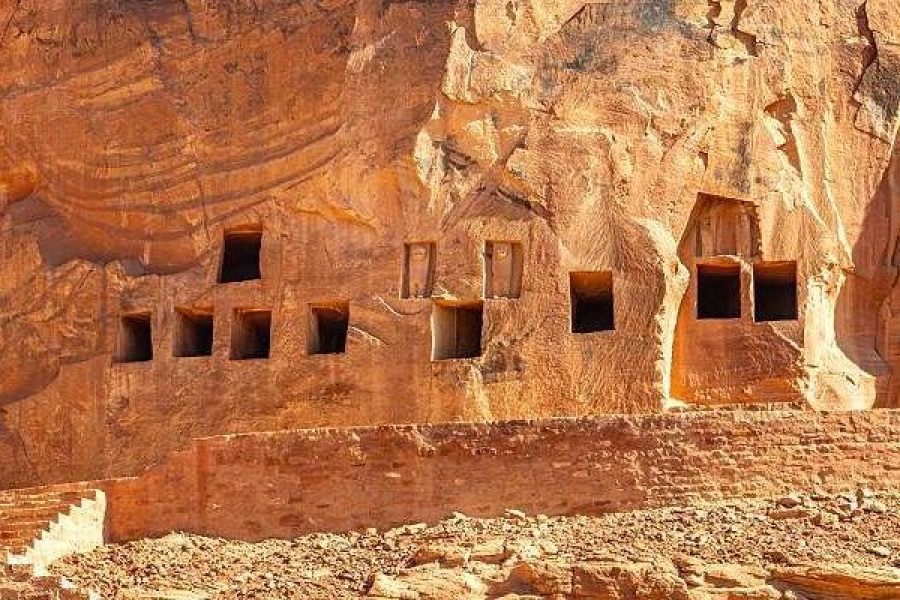
After breakfast we drive visit the marvel at the split Naslaa Rock. It is a unique geological formation located in Mount Nuslah, southwest of Tayma' Governorate, affiliated with Tabuk Province. It is renowned for its striking appearance, characterized by a massive sandstone block that appears to be split cleanly in two, continue to the magical landscapes of AlUla, it is an ancient Arabian oasis city, discover the Hegra (UNESCO World Heritage Site), Hegra or Hijr is a World Heritage Site and a Saudi touristic and historic monument. It is located in AlUla governorate, affiliated with Madinah, Hegra, which was known for a long time as Mada’in Salih, consists of ruins that have combined various historical eras, including Nabataean, Lihyanite, and Islamic. Explore The Lion Tombs of Dadan, Dadan is an archaeological treasure that offers visitors a glimpse into the rich history and culture of ancient civilizations. Known as the capital of the Dadanite and Lihyanite kingdoms, this open-air museum is a must-visit destination for history enthusiasts, adventurers, and culture lovers alike. End the day at the iconic Elephant Rock, The Elephant Rock (Jabal AlFil) is one of the world’s most popular rocks formations and the highlight of the region of Al Ula, it is also one of the geological wonders of al-Ula and a tourist attraction. Visiting the rock at night is advantageous to avoid the hot weather during the day, with sunken sofa areas and the option to light a fire; you can sit and enjoy the music, coffee, and mountains. Overnight in AlUla. End the day at the iconic Elephant Rock. Overnight in AlUla.






Journey south to Khaybar to visit its forts and volcanic fields,
Khaybar is rich in many tourist attractions and archaeological sites. It is home to several archaeological sites, forts, and historical castles, some of which date back to pre-Islamic eras. Then continue through Madinah, officially al-Madinah al-Munawwarah, also known as Taybah known in pre-Islamic times as Yathrib, is the capital and administrative center of Medina Province in the Hejaz region of western Saudi Arabia. It is one of the oldest and most important places in Islamic history. Board the train from Madinah to Jeddah for overnight stay.










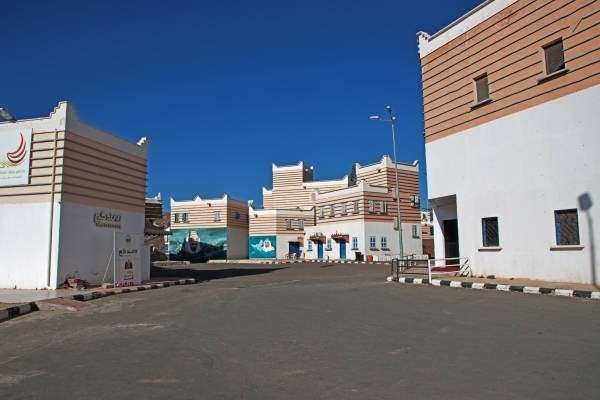
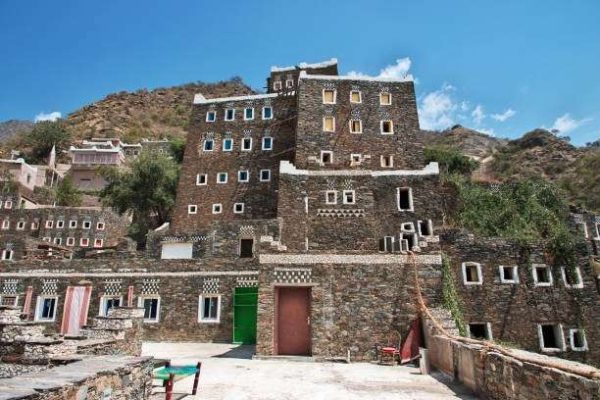
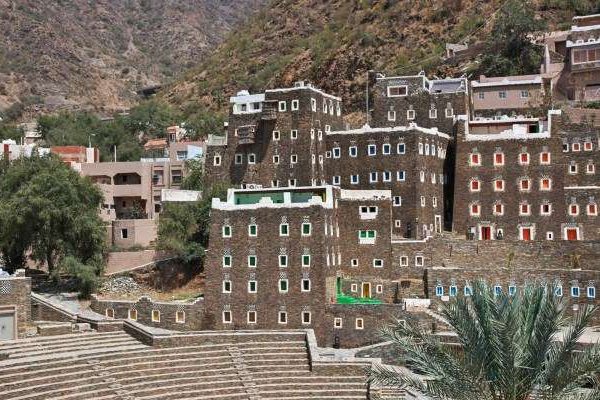
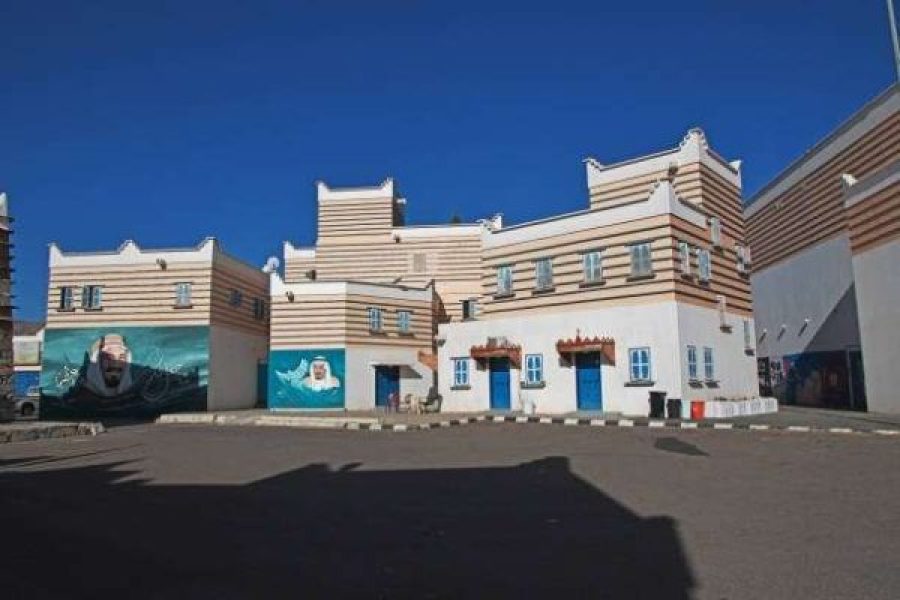
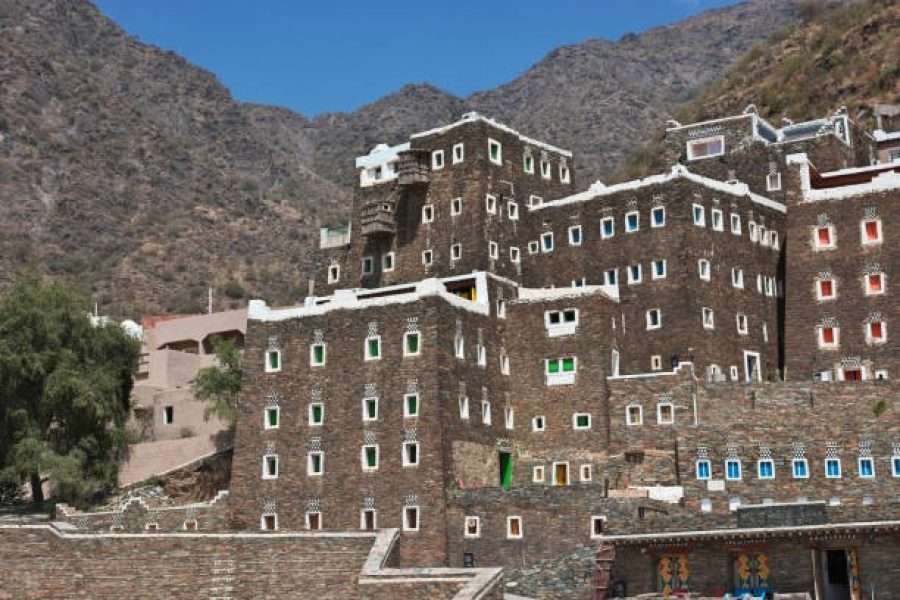
Fly to Abha and explore Abha town passing through Shamsan Castle, visit the Aseer Regional Museum, located in the city center next to the Emira Palace that was built according to Aseer architectural tradition. Aseer Regional Museum tells the long history of Abha and Aseer Province and exhibits some of the province’s traditional handicrafts, along with antiquities of Aseer Province. and Shada Palace, visit the artistic Almuftaha Village. Later, visit the majestic Jabal Souda, stands tall as the country’s highest peak, with breathtaking views over the Asir mountains, reaching an impressive elevation of 3,015 meters (9,892 feet) above sea level. Continue our way to striking heritage village of Rijal Almaa, UNESCO World Heritage village, a stunning heritage village with colorful stone houses. The historical significance of Rijal Almaa extends far beyond its architectural splendor. The village once thrived as a vital trading hub, fostering commercial routes between Yemen and the Levant through the holy cities of Mecca and Medina. After exploring, we continue to Jazan, in there, if time permit we will visit the Heritage Village in Jazan, coffers a unique blend of history, culture, and artistry, making it a vibrant cultural hub. You can explore traditional houses, including the Jalabi house, which reflects the area’s mountainous architecture and agricultural heritage. Conclude with outside view of Al Dosariyah Castle, an Ottoman-era fort overlooking the Red Sea. Overnight stay in Jazan.







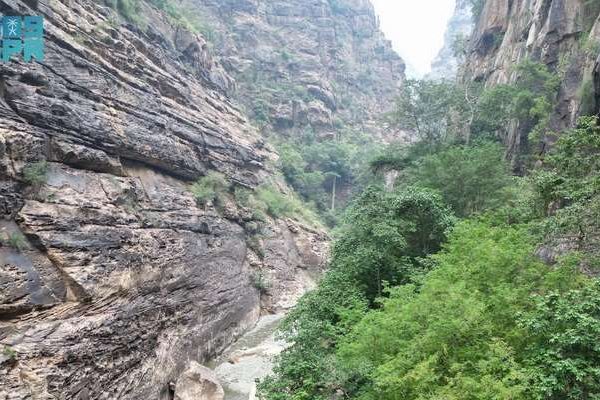
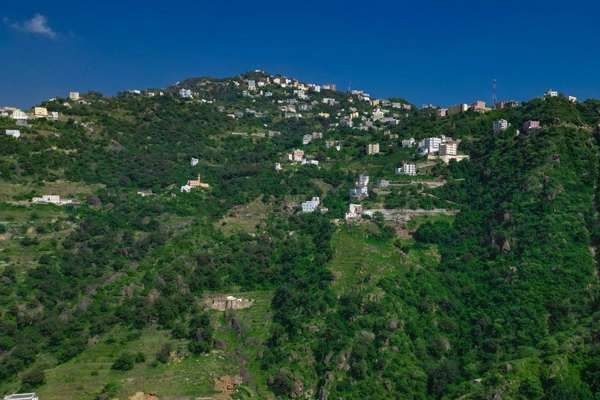
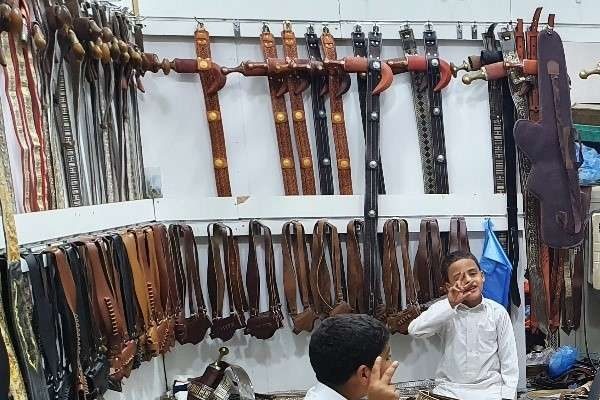
Depart Jazan and drive through the lush, terraced Fayfa Mountains. Winding up to the terraced farms Fayfa the jewel of Jizan Province high in the Arabian skies. With its peaks over 2 600 meters above sea level the Fayfa offers unexpected and stunning scenery over the lush mountains of this massif located just 60 kilometers from the Red Sea. Drive through the dramatic canyon of Wadi Lajab, a famous valley located between two towering Rocky Mountains with steep slopes, then continue to Najran. Enjoy the bustling Dagger Souq, the market is famous for selling the Janabiya, which is an Arabic dagger with inscriptions for decoration, and the people of the city use it in weddings and national occasions, as it is considered part of their traditions. Overnight stay in Najran.
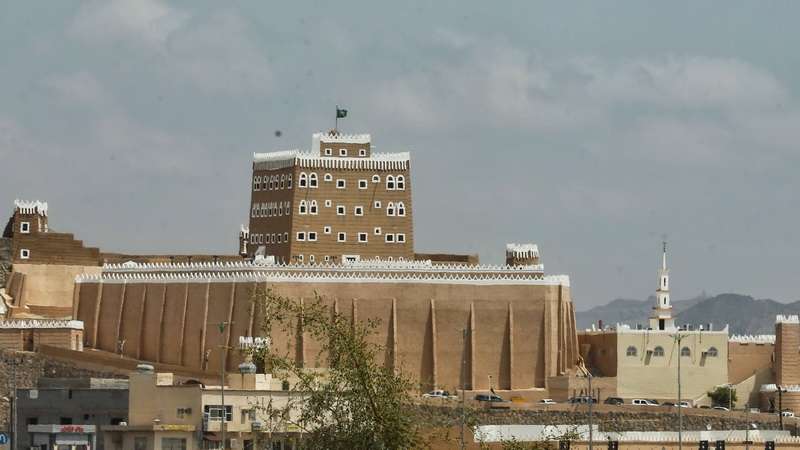








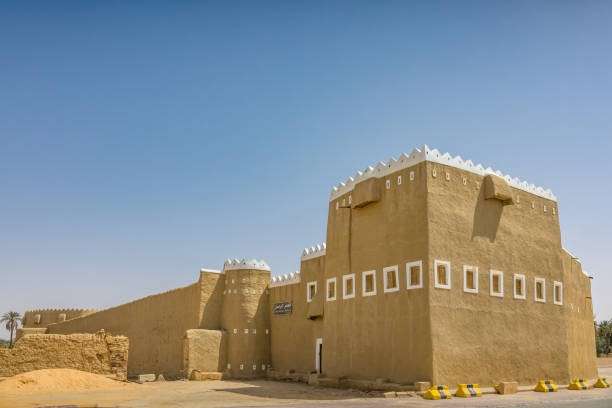
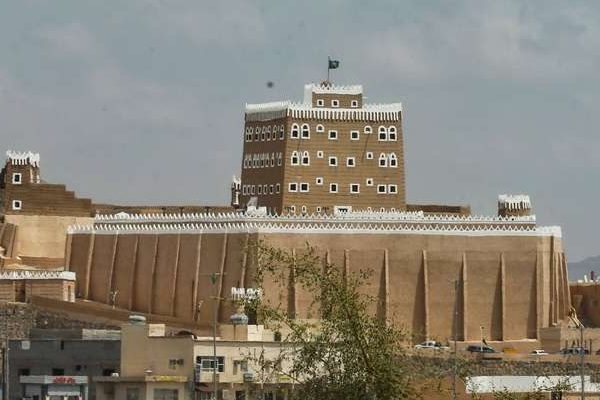
Spend the morning exploring Najran, starting by visiting the Emirate Palace, providing an idea of the architectural fabric of the mud houses in Najran, and serving as an inspiring cultural framework for visitors and tourists, and acting as a bridge of communication between generations. Then explore the Al-Aan Palace which is characterized by a traditional style that reflects the architectural identity of the region in previous periods. This is evident when one observes its exterior form and the white decorations that adorn its edges. Visiting Ra’um Castle, the castle, built from stone, still retains its distinctive features. You can climb up via a stone staircase, making it an attractive site for history enthusiasts and mountain climbers alike. Also we will discover the ruins of Al-Ukhdood, dating back thousands of years. After lunch, we drive to Najran airport fly back to Jeddah. Overnight in Jeddah
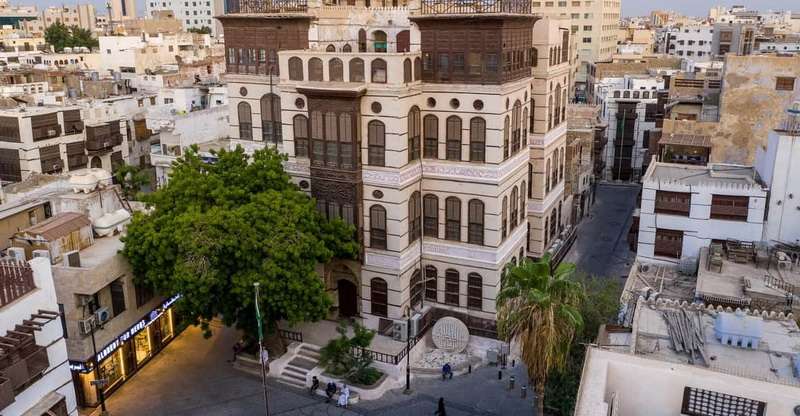










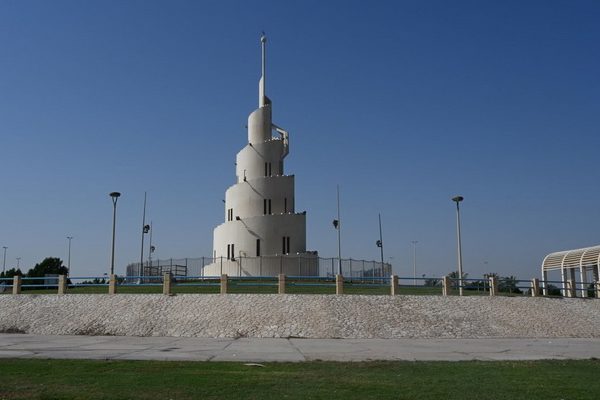
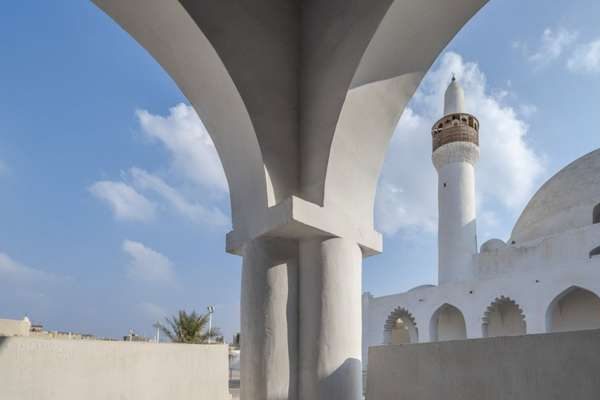
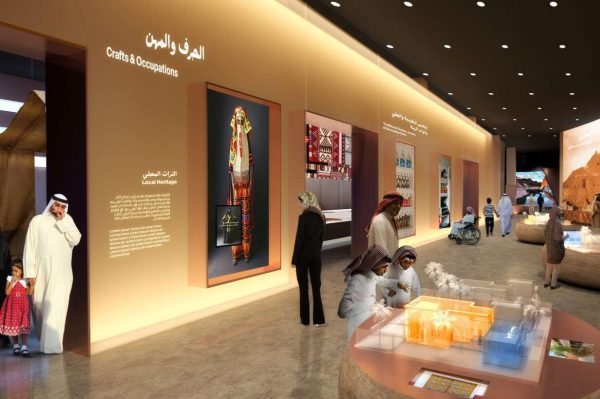
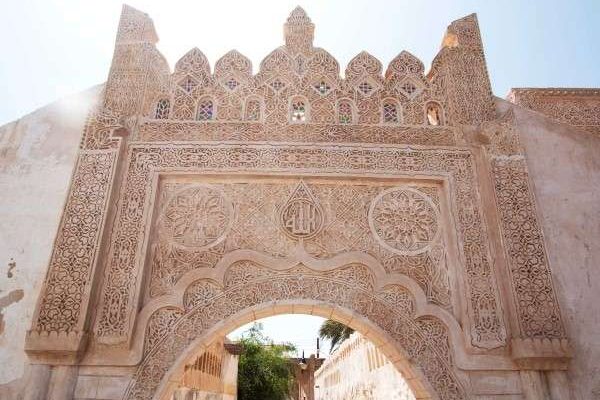
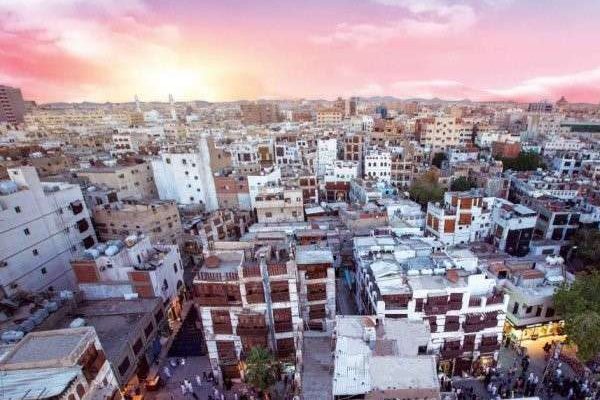
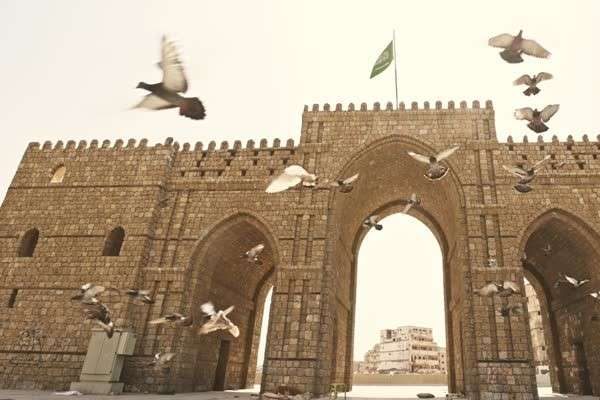
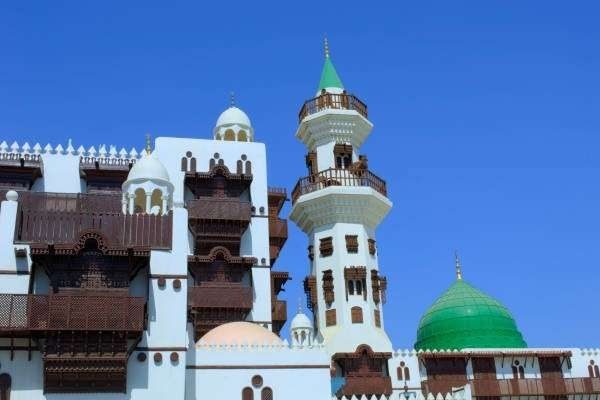
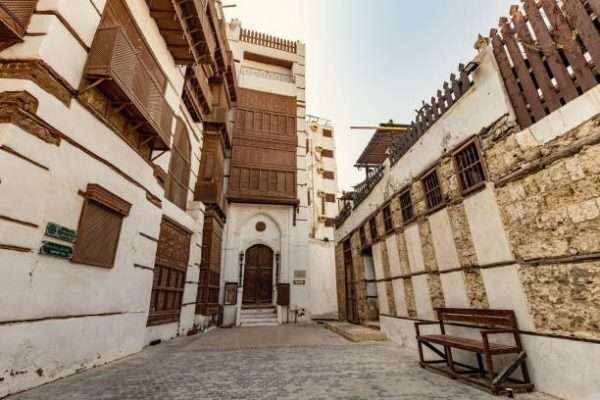
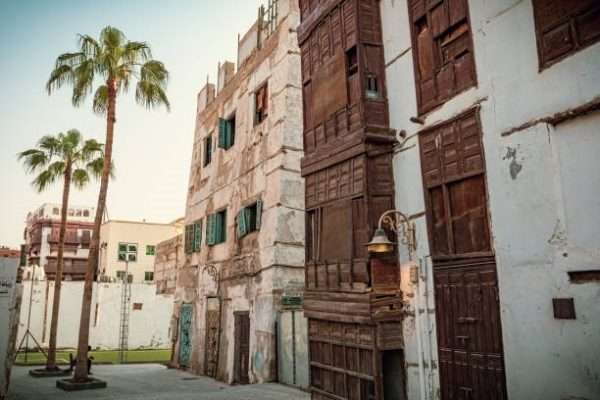
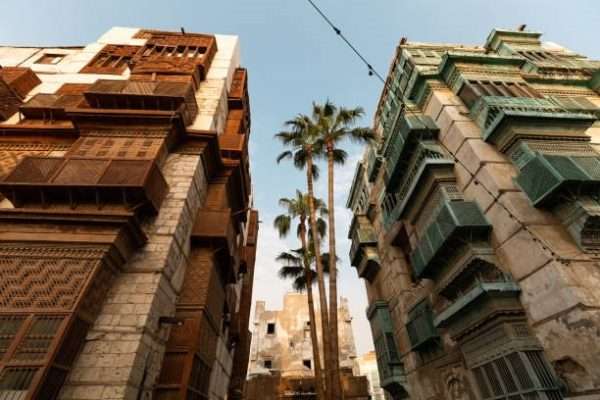
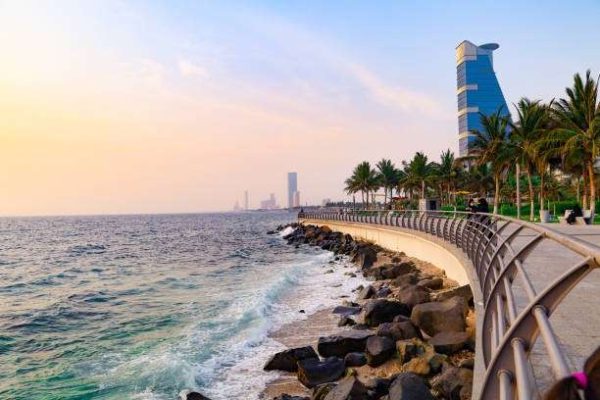
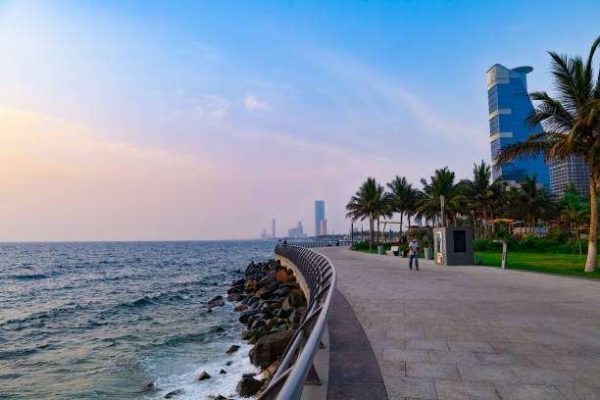
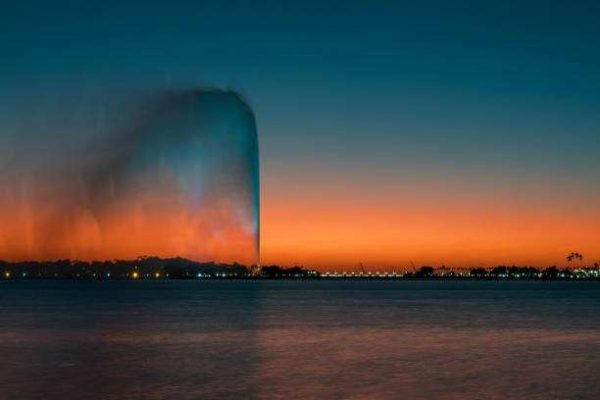
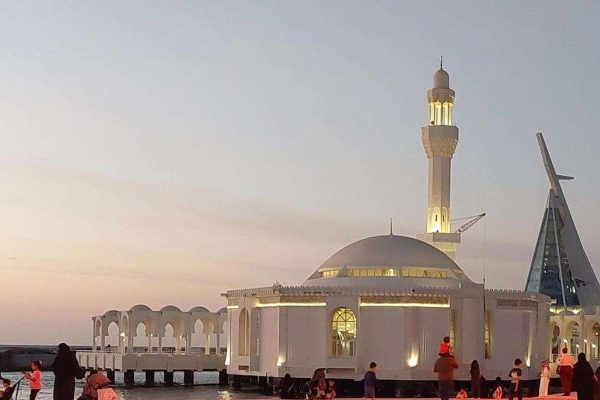
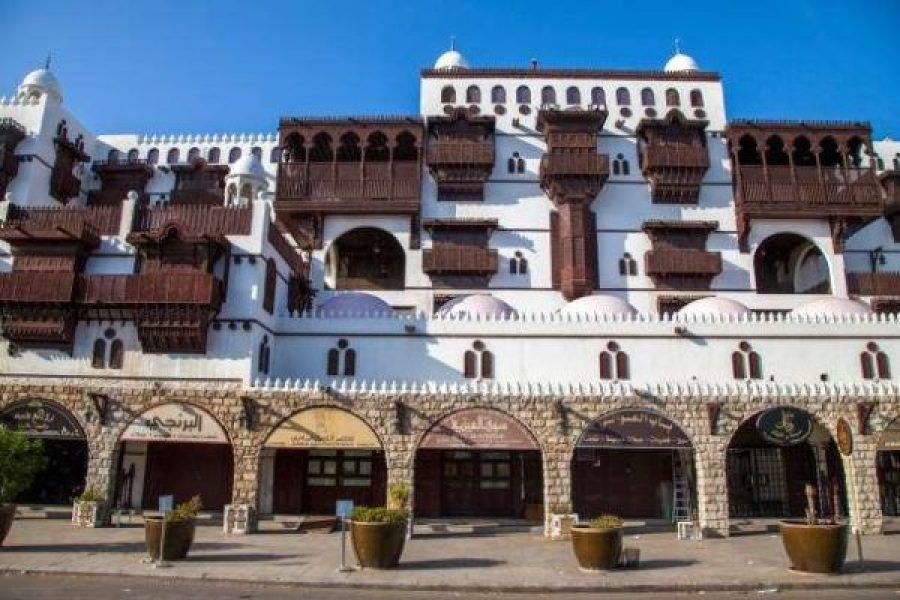
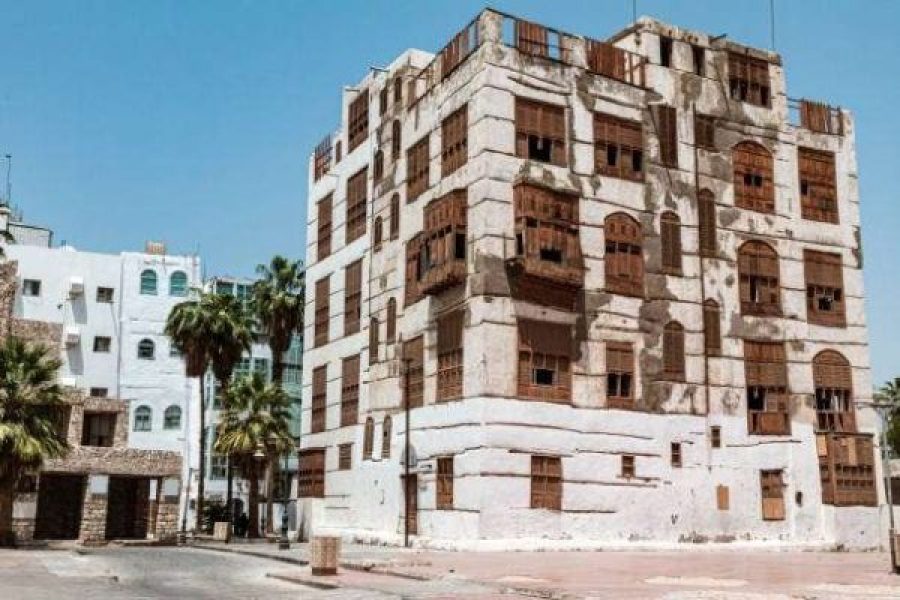
Spend the day discovering Jeddah’s UNESCO-listed treasures. Start at the lively Fish Market, a window into daily life by the sea, where fishermen bring in their catch of the day. Continue to the Tayebat Museum stands as one of Jeddah’s most prominent private cultural landmarks, showcasing the depth of Saudi history and the richness of its diverse civilizations, then step into the historic lanes of Al-Balad, where coral-stone houses and carved wooden balconies recall centuries of trade. Visit Souk Al-Alawi, One of the largest markets in Al Balad. Souq Al Alawi is a labyrinth of narrow streets with shops selling a variety of goods. Explore Nassif House, is a treasure trove of history nestled in the heart of Al-Balad, the historic district of Jeddah, built during the late 19th century. This iconic museum in Jeddah showcases the city’s rich cultural heritage and a great site for anyone eager to explore Saudi Arabia’s vibrant past. And pause at the ancient Al Shafi’i Mosque, which is one of the oldest mosques in Jeddah, then visiting the striking Floating Mosque. In the evening, admire the world’s tallest King Fahd Fountain and take a leisurely stroll along the Corniche. End the tour here, and transfer to airport for departure.
Most travelers require a visa. You can apply for a tourist eVisa online, which is available for citizens of many countries.
Yes, Saudi Arabia is generally safe for tourists. Follow local laws and customs, and stay aware of your surroundings.
Modest clothing is recommended. Women are not required to wear an abaya but should dress conservatively. Men should avoid sleeveless tops and shorts in public.
Major credit cards are widely accepted, especially in cities. However, it's good to carry some cash for small shops and rural areas.
No. The sale, purchase, and consumption of alcohol are strictly prohibited.
Arabic is the official language. English is commonly spoken in tourist areas, hotels, and by younger generations.
The currency is Saudi Riyal (SAR). ATMs are widely available.
Yes. As of recent regulations, unmarried foreign couples are allowed to stay in the same hotel room.
You can take photos of landscapes and tourist attractions, but avoid photographing government buildings or locals without permission.
October to March is ideal due to cooler weather, especially for outdoor activities and sightseeing.

Member Since 2025

 English
 العربية
  简体中文
简体中文  繁體中文
繁體中文  Français
  Italiano
  Español
  Русский
  Slovenščina
  Türkçe











Leave a review