7 days 6 nights
Daily Tour
Unlimited
___
Embark on a breathtaking journey through the heart of southern Saudi Arabia — from the vibrant shores of Jeddah to the lush mountains of Al Baha and Abha, down to the serene coasts of Jazan, and deep into the cultural richness of Najran. This 7-day adventure blends history, nature, and heritage into a seamless travel experience.
Explore UNESCO-listed old towns, marvel at mountain vistas, walk through traditional markets, and witness the transformation of landscapes — from the Red Sea to highland forests and desert fortresses. Whether you’re a culture enthusiast or nature lover, this tour offers a unique glimpse into the diverse soul of the Kingdom




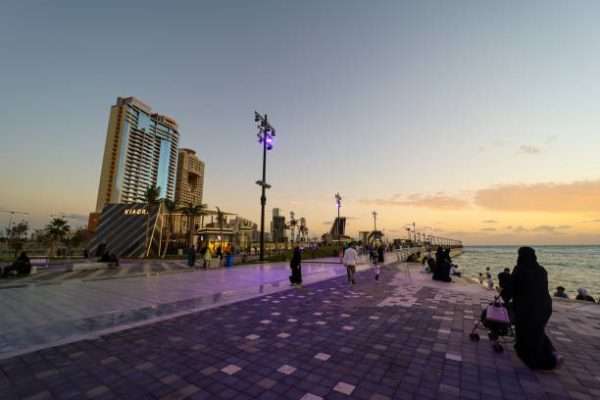
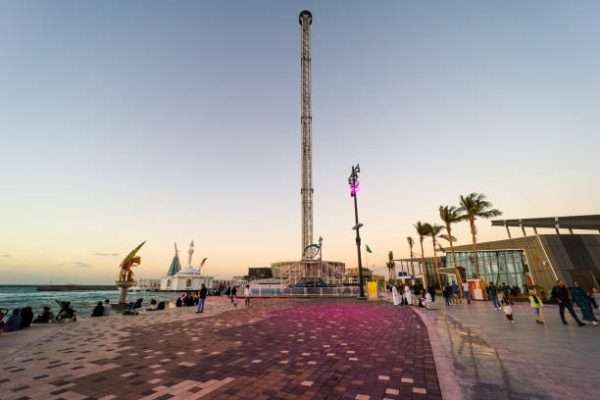
Arrive at King Abdulaziz International Airport in Jeddah, where you’ll be welcomed and transferred to your hotel. In case of early flight this day can be free for you to unwind relax by the scenic Red Sea or enjoy a leisurely stroll along the Jeddah Corniche, known for its beautiful views and sea breeze.
Overnight in Jeddah.
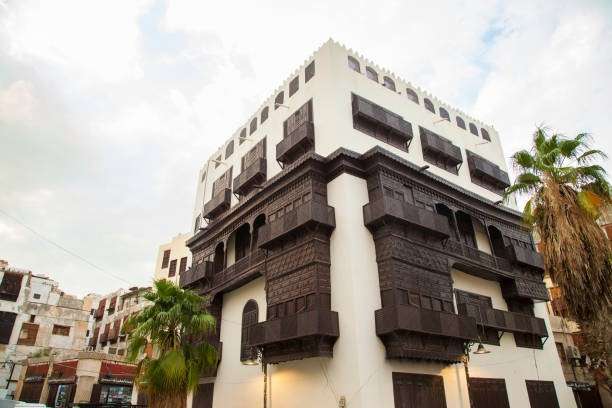










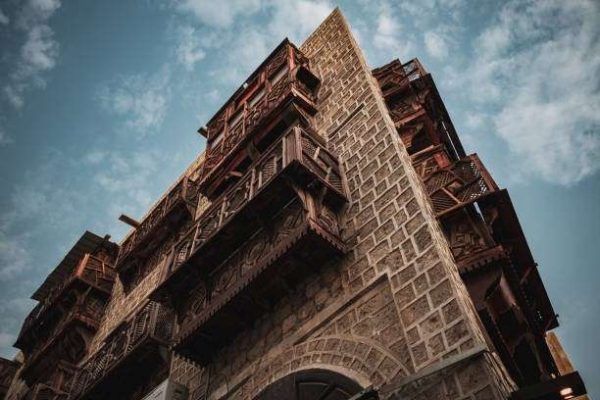
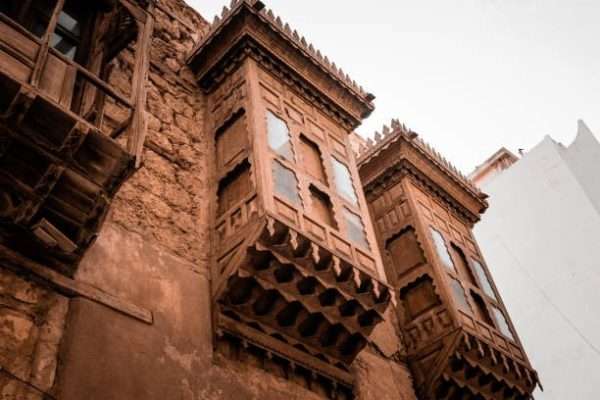
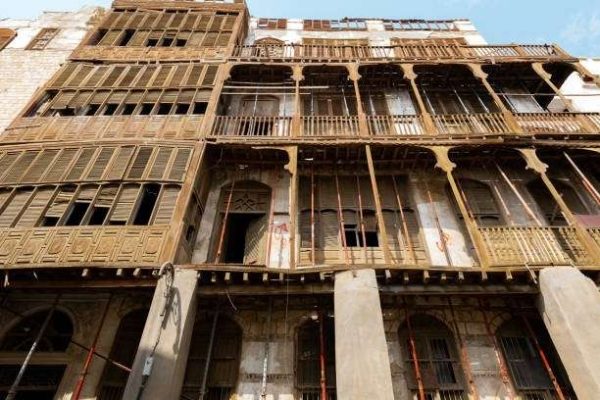
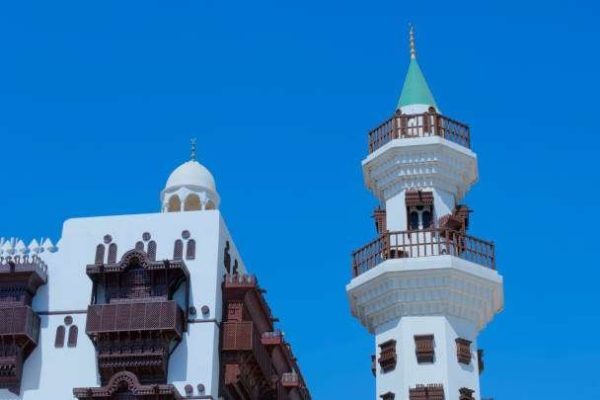
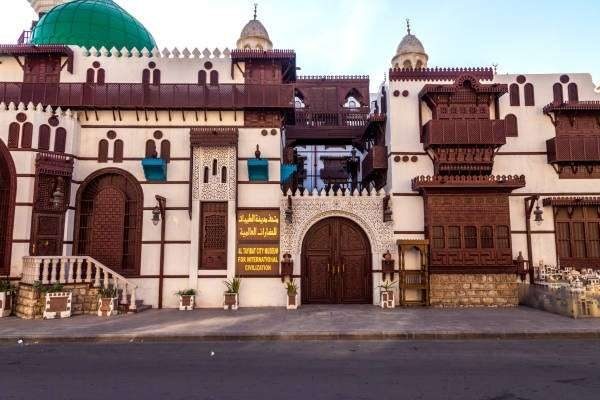
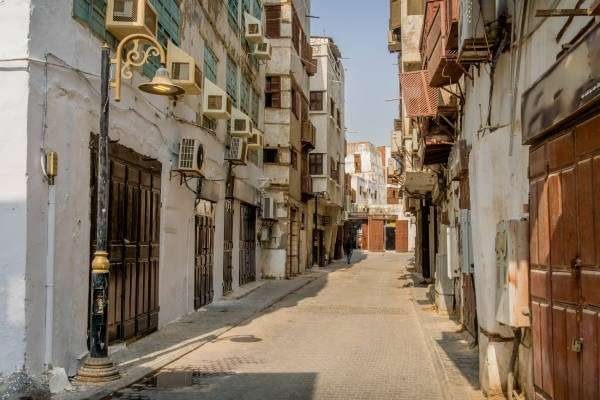
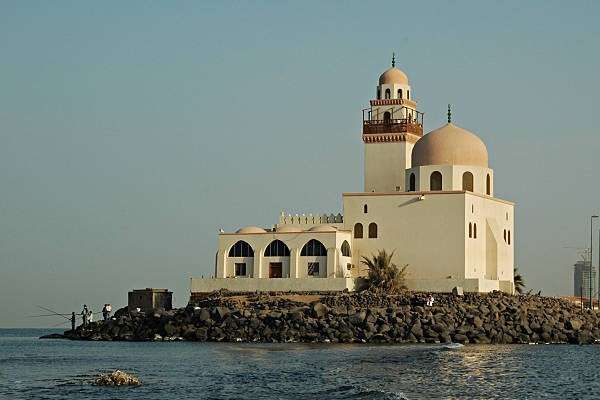
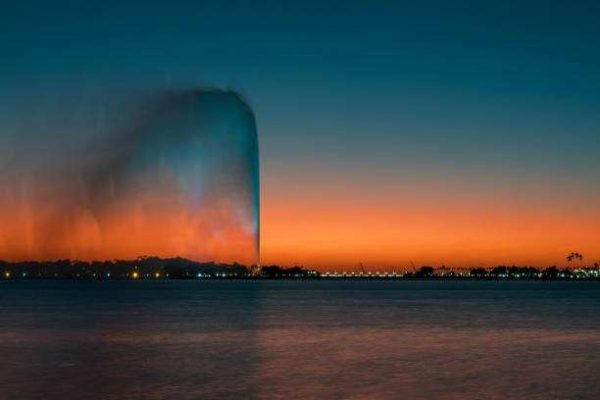
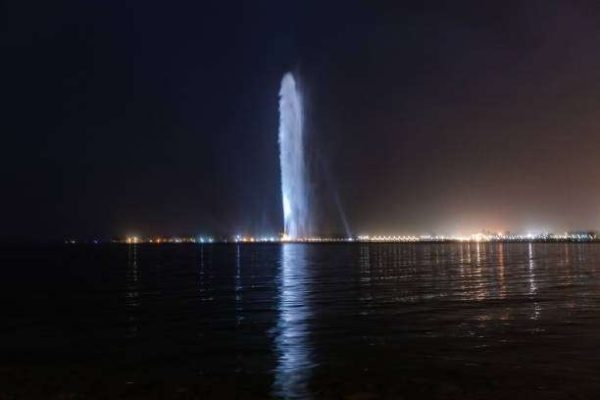
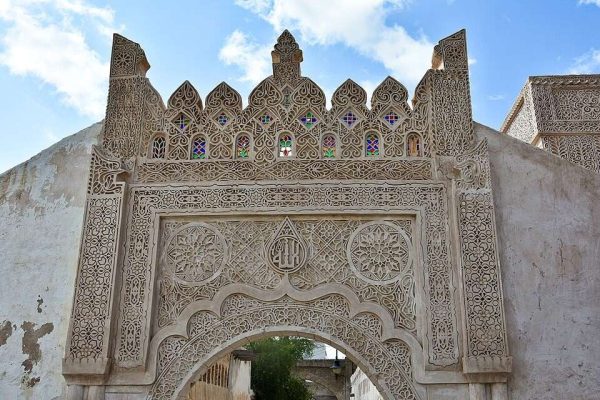
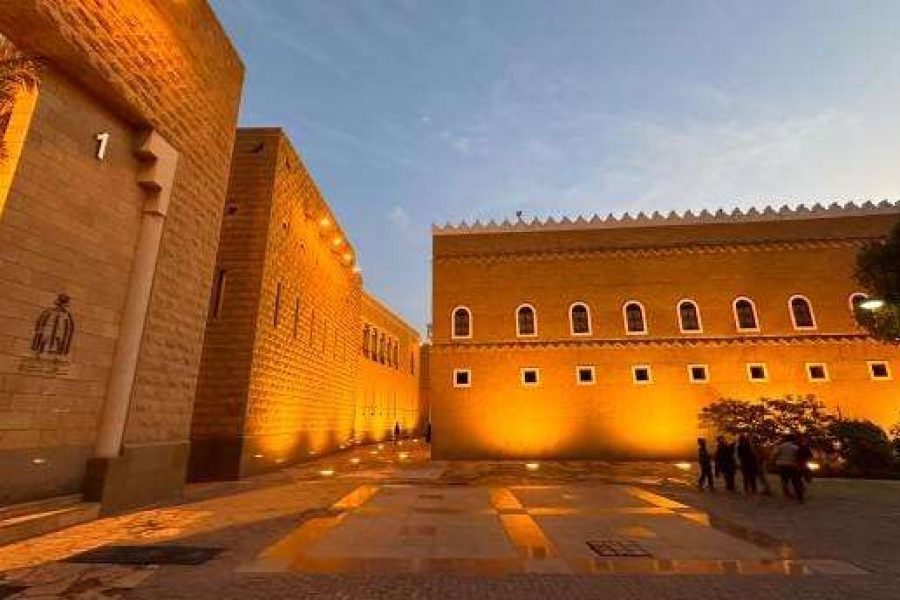
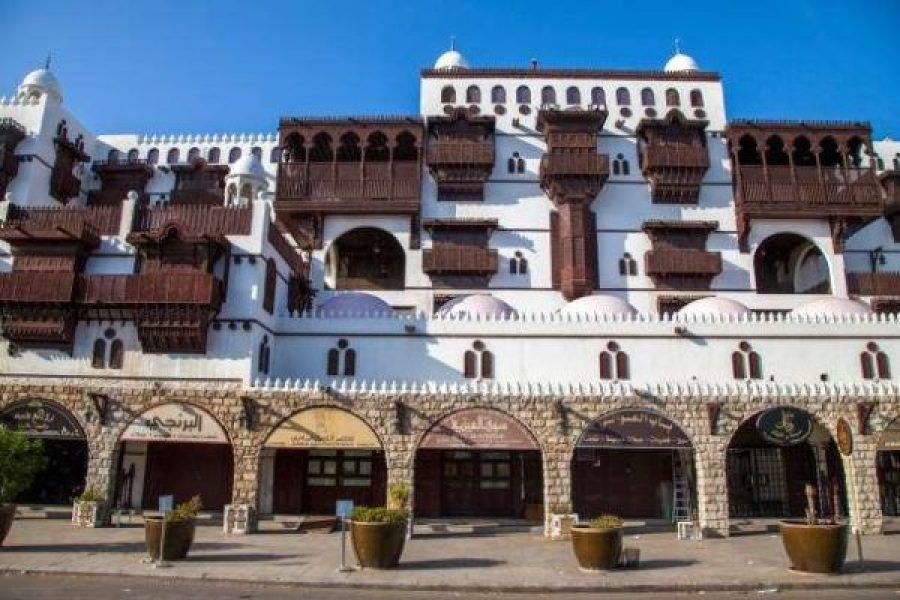
Spend the day discovering Jeddah’s UNESCO-listed treasures. Start at the lively Fish Market, a window into daily life by the sea, where fishermen bring in their catch of the day. Continue to the Tayebat Museum stands as one of Jeddah’s most prominent private cultural landmarks, showcasing the depth of Saudi history and the richness of its diverse civilizations, then step into the historic lanes of Al-Balad, where coral-stone houses and carved wooden balconies recall centuries of trade. Visit Souk Al-Alawi, One of the largest markets in Al Balad. Souq Al Alawi is a labyrinth of narrow streets with shops selling a variety of goods. Explore Nassif House, is a treasure trove of history nestled in the heart of Al-Balad, the historic district of Jeddah, built during the late 19th century. This iconic museum in Jeddah showcases the city’s rich cultural heritage and a great site for anyone eager to explore Saudi Arabia’s vibrant past. And pause at the ancient Al Shafi’i Mosque, which is one of the oldest mosques in Jeddah, then visiting the striking Floating Mosque. In the evening, admire the world’s tallest King Fahd Fountain and take a leisurely stroll along the Corniche. Overnight in Jeddah






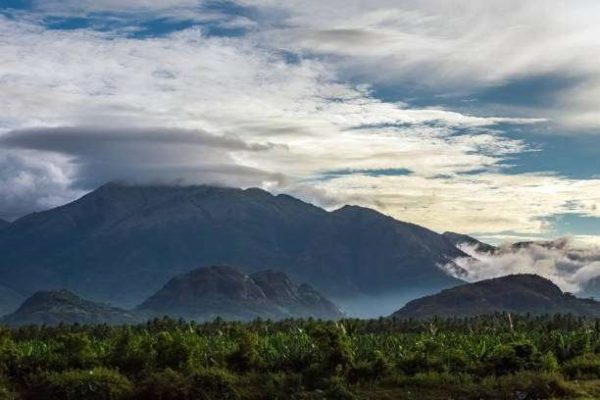
Early departure towrds south, passing through the cool highlands of Taif and onward to Albaha. En route, visit AlAtawlah Heritage Village, which considered one of the most important villages in the Zahran region of Al-Qura Governorate. As visiting it, you can learn about the Saudi civilization, both past and present. Then we will explore Bin Raqoush Palace is one of the archaeological and historical palaces in al-Bahah. It is considered one of the oldest fully serviced historical palaces and has been renovated to become a museum, a tourist center, and a venue for heritage events in the province. Continue to Raghadan Forest, is one of Al Baha’s most iconic outdoor destinations, a mountain retreat often draped in mist and embraced by ancient juniper trees, ending our day with Raghadan sunset views. Overnight stay in Albaha.







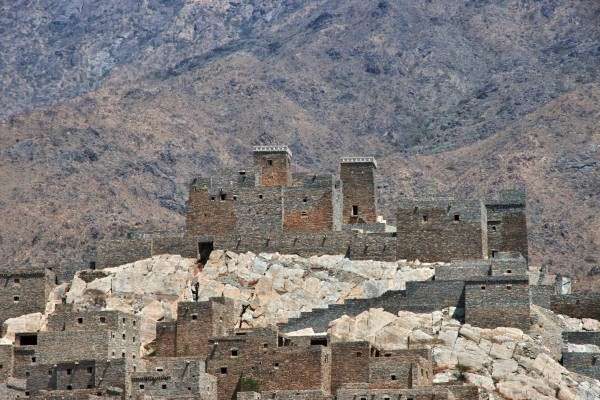
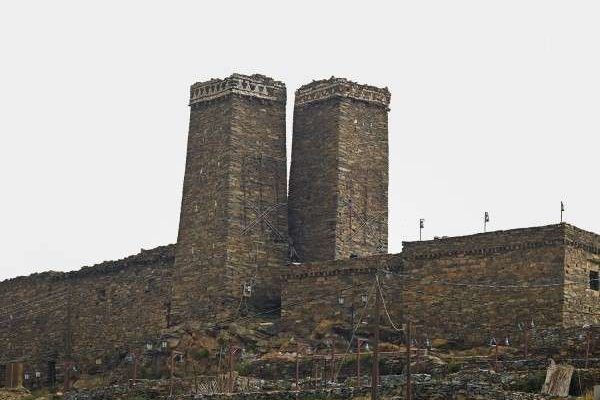
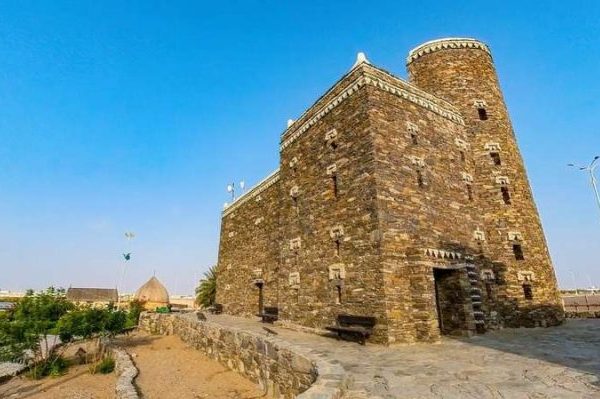
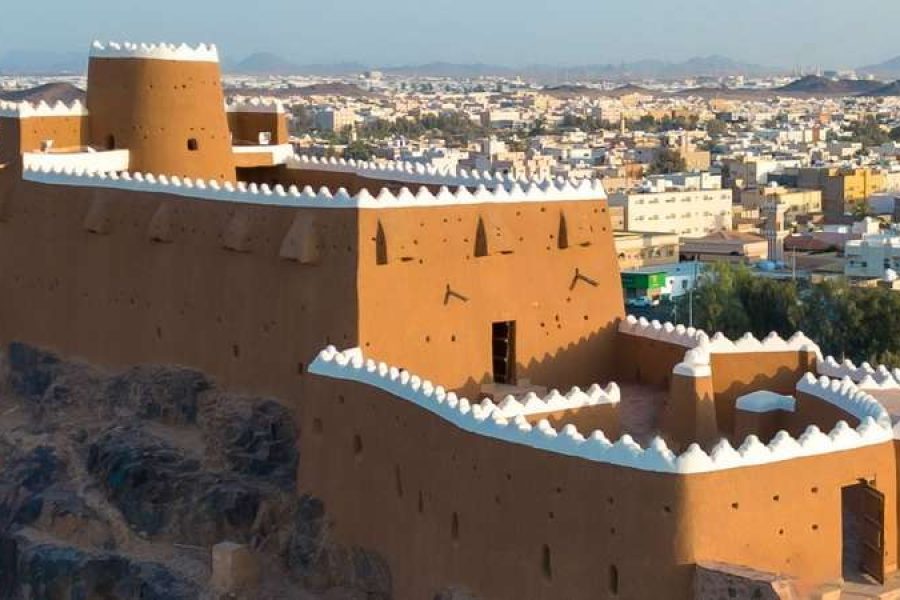
After breakfast we start our day by perching high above the valley floor in the historic village of Al Malad Castle, this remarkable set of twin structures, known collectively as Al Malad Castle or the Twin Fortresses, stands as one of Al Baha’s most distinctive archaeological landmarks. Then explore the white stone houses of Thee Ain Village, known as the “Marble Village”. Thee Ain Village is a tourist heritage village dating back to the sixteenth century AD. It is surrounded by mountains on all four sides and is located in al-Makhwah Governorate in al-Bahah Province. Then continue our way to Abha. Here, visit the Aseer Regional Museum, located in the city center next to the Emira Palace that was built according to Aseer architectural tradition. Aseer Regional Museum tells the long history of Abha and Aseer Province and exhibits some of the province’s traditional handicrafts, along with antiquities of Aseer Province. Continue to Almuftaha Village, a colorful hub for art and culture. It serves as a cultural center for traditional, visual, and photographic arts, as well as handicrafts and artisanal industries. Finish the day by climb up to Shamsan Castle for sunset view. Overnight in Abha.





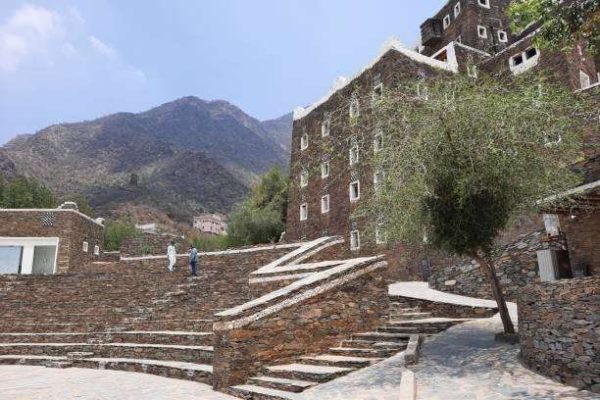
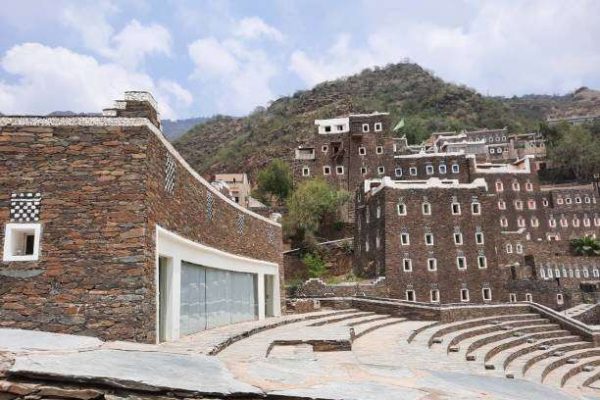
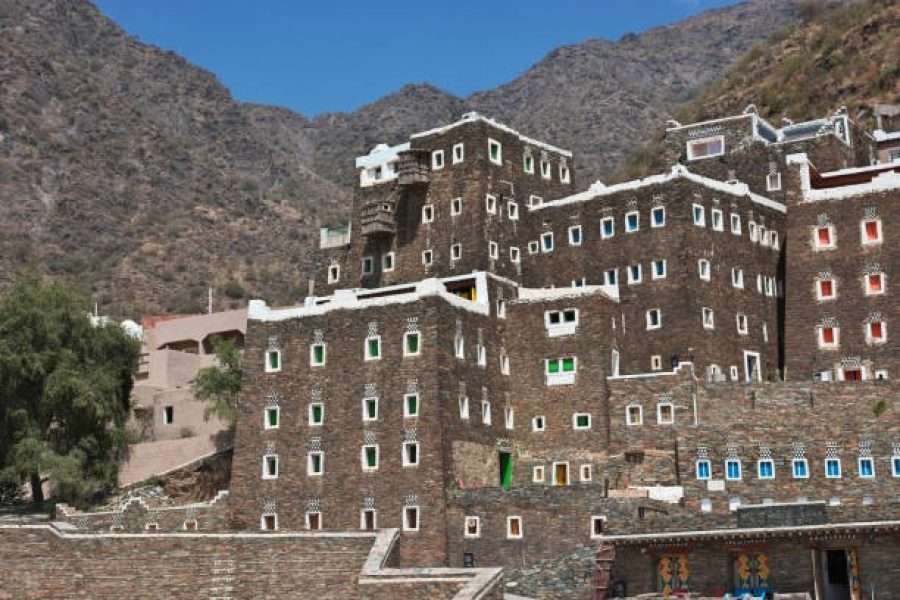
Departure to Jazan city through the mountains. Stop at the Al-Abo Sarrah Palaces, it consists of three palaces in the middle of Al-Aziza village, built by Sheikh / Laheg bin Ahmed Abu Sarrah in 1834, were renovated in 2017 by his grandchildren. These Palaces are of historical and social depth for the Aseer province and are the largest palaces in the region. Then ascend Jabal Souda, stands tall as the country’s highest peak, with breathtaking views over the Asir mountains, reaching an impressive elevation of 3,015 meters (9,892 feet) above sea level. Continue our way to striking heritage village of Rijal Almaa, UNESCO World Heritage village, a stunning heritage village with colorful stone houses. The historical significance of Rijal Almaa extends far beyond its architectural splendor. The village once thrived as a vital trading hub, fostering commercial routes between Yemen and the Levant through the holy cities of Mecca and Medina. After exploring, we continue to Jazan, in there, we will visit The Heritage Village, coffers a unique blend of history, culture, and artistry, making it a vibrant cultural hub. You can explore traditional houses, including the Jalabi house, which reflects the area’s mountainous architecture and agricultural heritage. Conclude with outside view of Al Dosariyah Castle, an Ottoman-era fort overlooking the Red Sea. Overnight stay in Jazan.
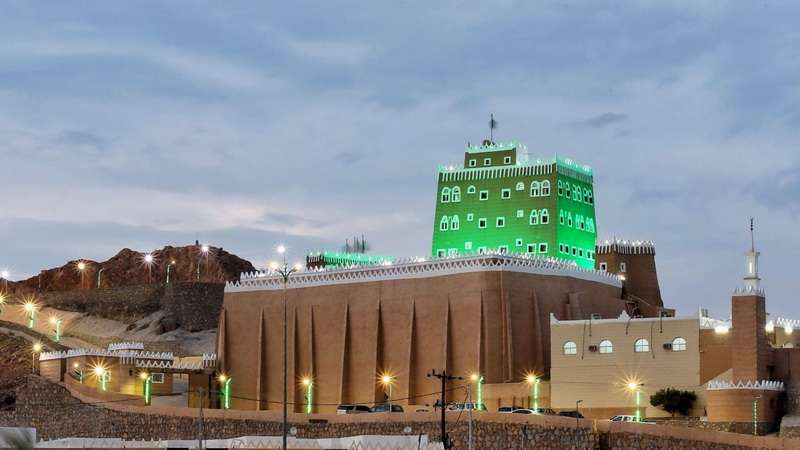






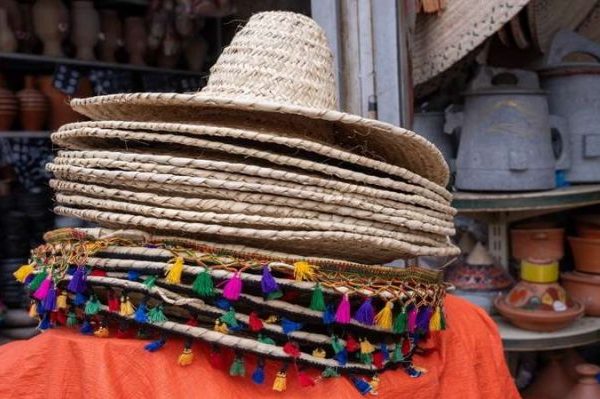
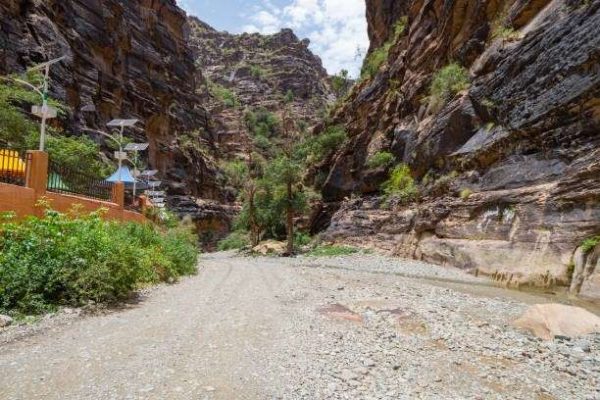
Depart Jazan and drive through the lush, terraced Fayfa Mountains. Winding up to the terraced farms Fayfa the jewel of Jizan Province high in the Arabian skies. With its peaks over 2 600 meters above sea level the Fayfa offers unexpected and stunning scenery over the lush mountains of this massif located just 60 kilometers from the Red Sea. Drive through the dramatic canyon of Wadi Lajab, a famous valley located between two towering Rocky Mountains with steep slopes, then continue to Najran. Enjoy the bustling Dagger Souq, the market is famous for selling the Janabiya, which is an Arabic dagger with inscriptions for decoration, and the people of the city use it in weddings and national occasions, as it is considered part of their traditions. Overnight stay in Najran.
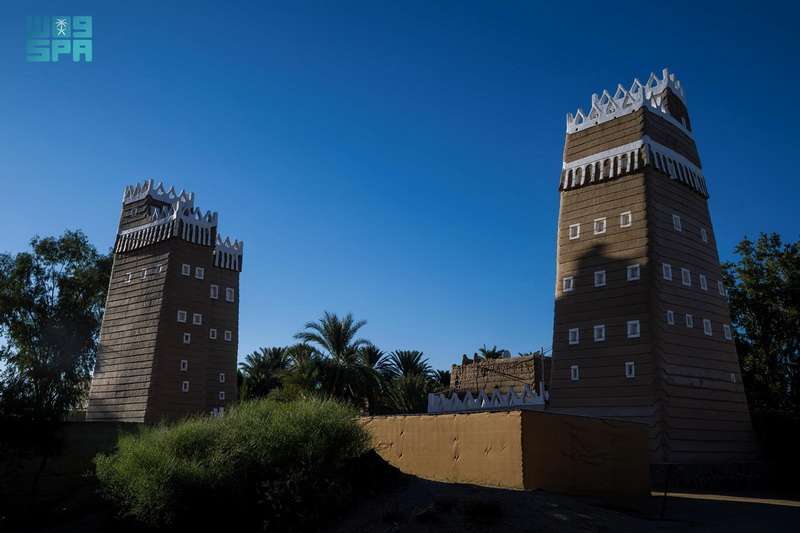





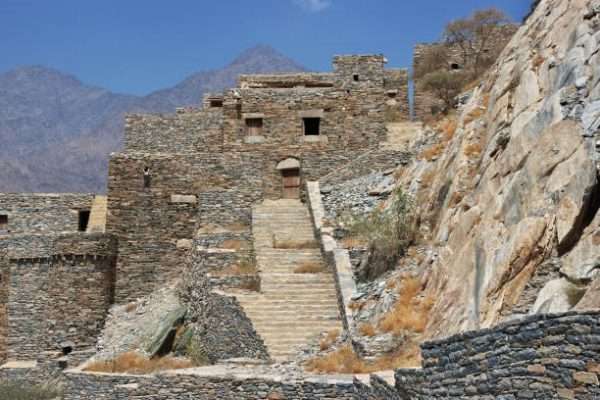
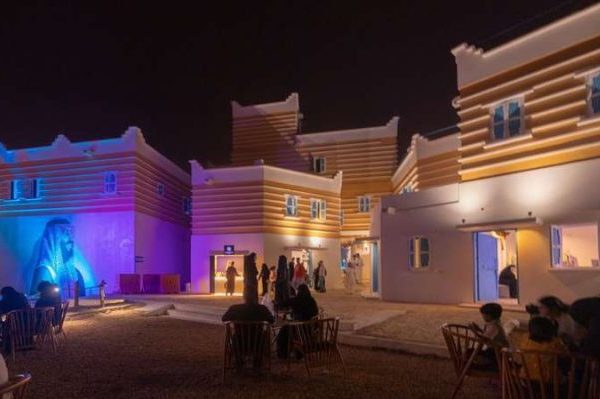
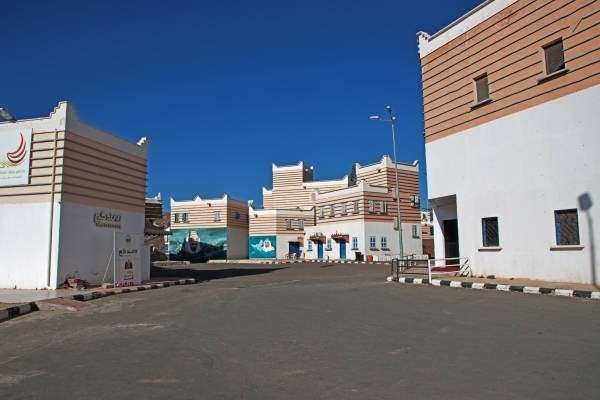
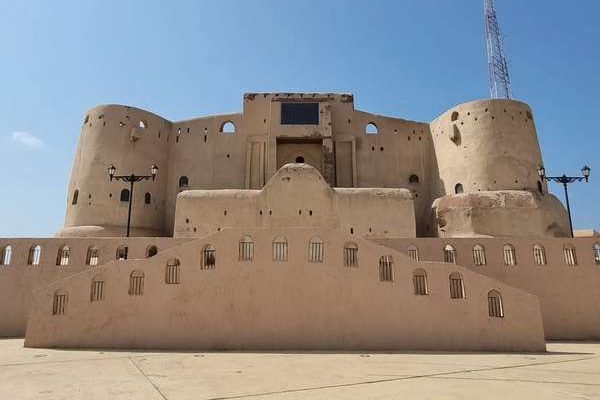
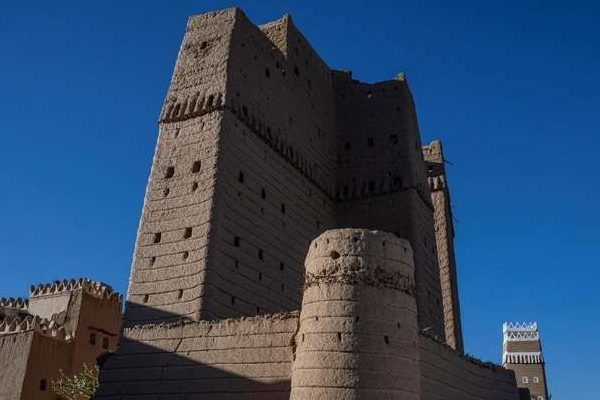
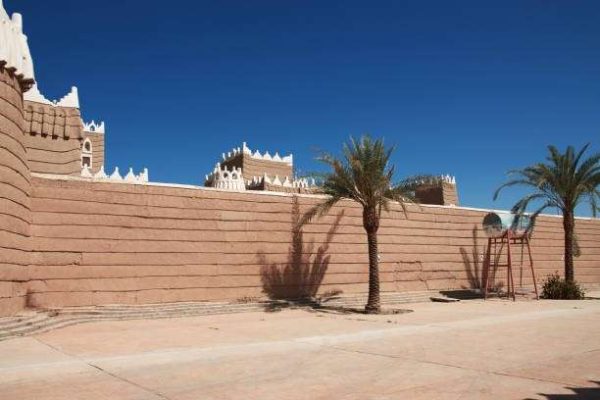
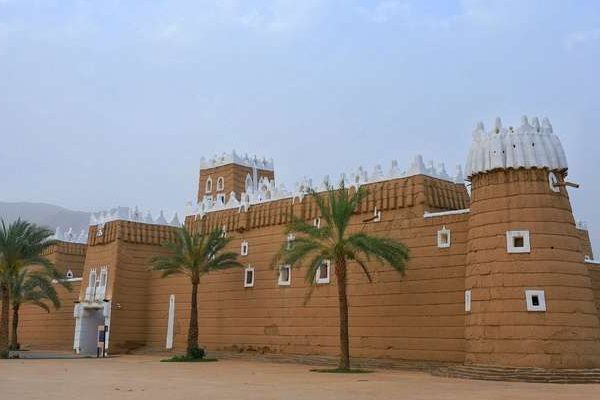
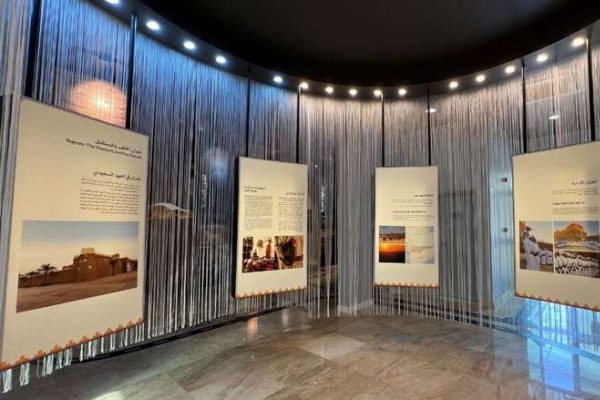
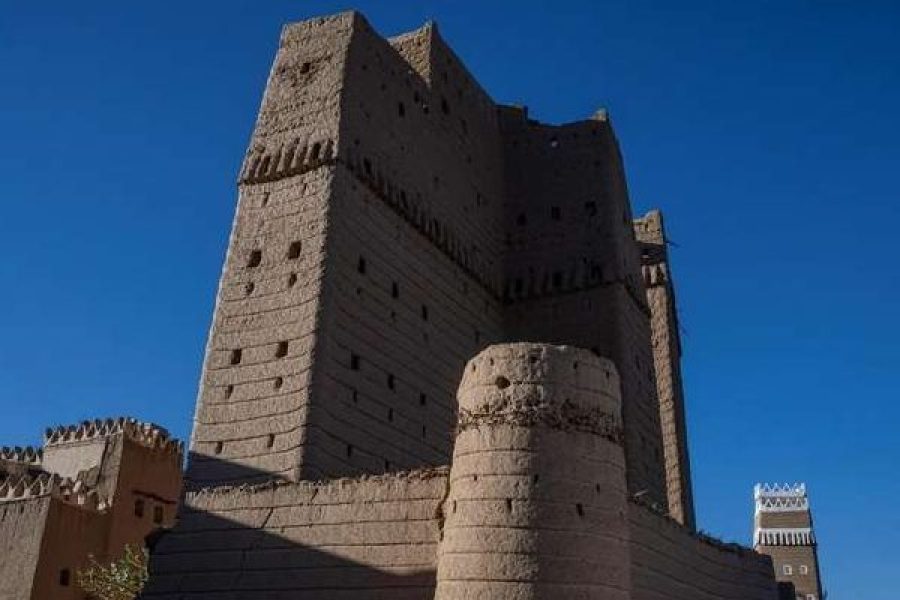
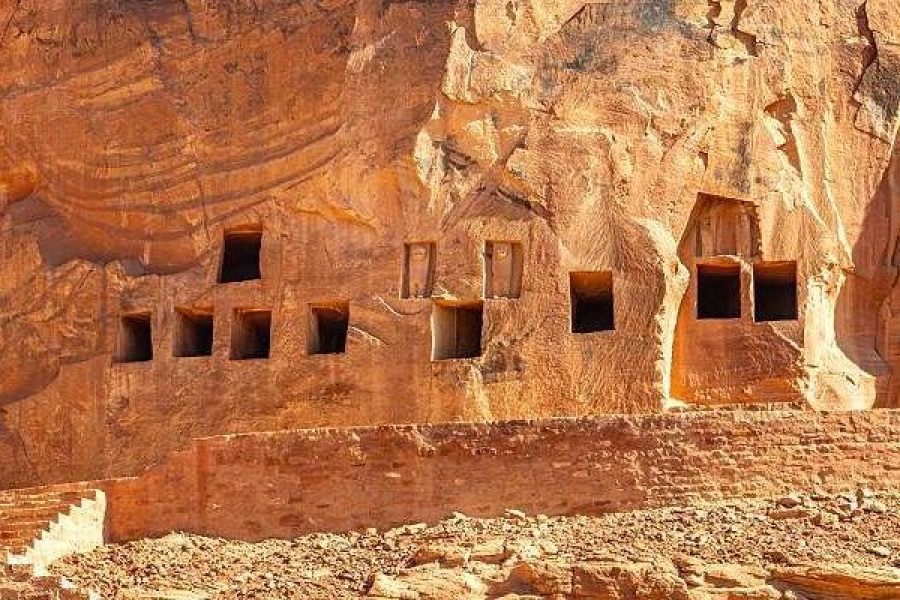
Spend the morning exploring Najran, starting by visiting the Emirate Palace, providing an idea of the architectural fabric of the mud houses in Najran, and serving as an inspiring cultural framework for visitors and tourists, and acting as a bridge of communication between generations. Then explore the Al-Aan Palace which is characterized by a traditional style that reflects the architectural identity of the region in previous periods. This is evident when one observes its exterior form and the white decorations that adorn its edges. Visiting Ra’um Castle, the castle, built from stone, still retains its distinctive features. You can climb up via a stone staircase, making it an attractive site for history enthusiasts and mountain climbers alike. Also we will discover the ruins of Al-Ukhdood, dating back thousands of years. After lunch, we drive to Najran airport fly back to Jeddah. Ending our tour in Jeddah no hotel included, airport transfer for your flight back home included.
Most travelers require a visa. You can apply for a tourist eVisa online, which is available for citizens of many countries.
Yes, Saudi Arabia is generally safe for tourists. Follow local laws and customs, and stay aware of your surroundings.
Modest clothing is recommended. Women are not required to wear an abaya but should dress conservatively. Men should avoid sleeveless tops and shorts in public.
Major credit cards are widely accepted, especially in cities. However, it's good to carry some cash for small shops and rural areas.
No. The sale, purchase, and consumption of alcohol are strictly prohibited.
Arabic is the official language. English is commonly spoken in tourist areas, hotels, and by younger generations.
The currency is Saudi Riyal (SAR). ATMs are widely available.
Yes. As of recent regulations, unmarried foreign couples are allowed to stay in the same hotel room.
You can take photos of landscapes and tourist attractions, but avoid photographing government buildings or locals without permission.
October to March is ideal due to cooler weather, especially for outdoor activities and sightseeing.


Member Since 2025
 English
 العربية
  简体中文
简体中文  繁體中文
繁體中文  Français
  Italiano
  Español
  Русский
  Slovenščina
  Türkçe